RVNA Insures Camera Gear With No List and No Per-Item Cap. Its Car Clause Wants an Armed Alarm.
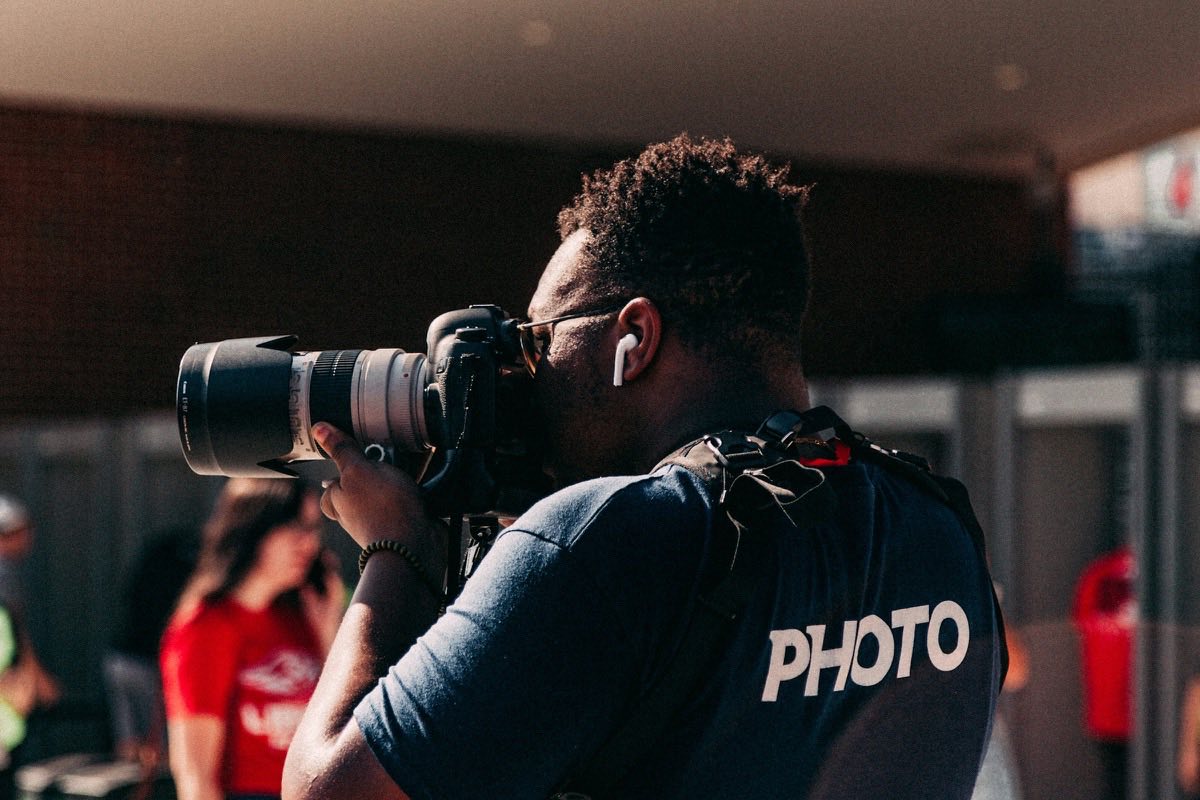
In March 2024, a photographer who shoots drag racing posted a simple question on the Cameraderie forum: has anyone used RVNA to insure their gear? He isn't a professional. He sells a few photos now and then, but mostly he shoots for himself, at the kind of places that made him think his gear needed insurance.
He had found a company that would cover his gear for about $200 a year. No gear list, no business needed, and if something broke or got stolen, they'd pay for a new one. It sounded almost too easy, so he asked if anyone had real experience with them. A dozen replies later, nobody did.
So we went and read what RVNA publishes about its own policy. Most of it is good news. A few parts are the kind you only discover after a loss, so here they are in plain terms.
The short version:
- You don't have to list your gear. You pick one dollar amount, and that's your coverage.
- No single item is capped. Insure $10,000 of gear and one $10,000 camera is fully covered. Some other policies cap any one item at $2,000.
- Hobbyists can buy it, with prices starting at $99 a year.
- Three common losses aren't covered: gear that simply vanishes, gear stolen from a car without an armed alarm, and gear you've lent to a friend.
- It covers the US and Canada. If you travel further, ask first.
What Was He Trying to Get Away From?
His homeowners insurance, which was a poor fit for camera gear in three ways. He laid them out in the thread:
"In order for them to cover the amount of gear I have when at home, I would have to list each piece of gear and its value. Additionally, it wouldn't cover against accidental breakage, only fire and theft, and then only for the used value, not replacement cost."
That's a very common experience. A homeowners policy only pays for a specific list of events, like fire and theft. Dropping your camera isn't on that list, so it isn't covered. And "used value" means they pay what your old camera would sell for secondhand, not what a new one costs. For gear that loses value quickly, that gap can be most of the price.
How Does RVNA's Coverage Work?
You choose a dollar amount. If your gear is stolen, burned, or broken in an accident, RVNA pays to replace it with new gear, minus your deductible (the part of each claim you pay yourself). That's it. Here's how RVNA describes it:
"It insures against all risks of direct physical damage from any external cause, except those which are specifically excluded. The coverage is provided on a replacement cost basis (new for old), and contains a per-loss deductible."
In everyday words: everything is covered unless it's on the list of exceptions. That's the opposite of homeowners, which covers nothing unless it's on the list of included events. So under RVNA, a dropped lens is covered by default.
Two things RVNA doesn't put on its website: how big the deductible is, and which insurance company actually stands behind the policy. It only says the insurer is "A+ rated." You'll see both on your quote, and it's worth looking for them before you pay.
Is There Really No Cap on a Single Item?
Yes, and this is the best thing about the policy. Some camera insurance has two limits: the total you bought, and a smaller cap on any one item. Say you have a $20,000 policy that pays at most $2,000 per item. If your $5,000 camera is stolen, you get $2,000, even though you're nowhere near your total. That's exactly how Full Frame's Annual+ plan works, as we found when we looked at its limits. Travelers does something similar with a $10,000 cap per item.
RVNA says it doesn't do this, and gives an example:
"If a photographer selects a $10,000 coverage limit then the equipment is covered up to $10,000 even if that amount is for a single camera accidentally damaged that costs $10,000 to replace."
If most of your kit's value sits in one body or one long lens, this is the feature that matters most. The website calls itself a summary, so check that the policy documents say the same when they arrive.
Does "No List" Mean You Never Have to Prove Anything?
No. It means you don't have to prove anything when you buy. You still do when you claim. If your bag gets stolen, the claims adjuster will want to see that you owned what was in it and what it cost: receipts, serial numbers, photos. So keep your own list anyway, and keep a copy somewhere other than your camera bag. Our step-by-step claims guide covers what to save.
The dollar amount you choose is also your responsibility. Nobody checks it. Pick too little and you'll come up short after a big loss. Pick too much and you're paying for coverage you can never use, because RVNA won't pay more than it costs to replace what you lost. Add up what your gear would cost to buy new today, and redo the sum when you buy something.
One reply in the thread gave the advice that applies to every policy, this one included:
"My advice is to read the fine print -all of it."
He was talking about a friend whose camera bag was snatched from between his feet, and whose claim (with a different insurer) was denied because the bag technically wasn't "in his possession." Small words in a policy can decide a big claim.
What Happens If Gear Is Stolen From Your Car?
It's not covered, unless three things are all true. The gear was locked in a closed trunk or compartment, the car's alarm was on and working, and the thief broke in. Here's the actual wording:
"the covered property was contained in a fully enclosed, locked and secured body or compartment of the vehicle (including trailer); and at the time of the loss, the vehicle (including trailer) had an audible alarm which was fully operational and 'armed'; and the theft resulted from forcible entry or exit."
The alarm part is the surprise. Plenty of policies want signs of a break-in, like a smashed window. We've compared how several insurers handle car theft, and RVNA is the only one we've read that also wants a working, armed alarm.
Picture the photographer from the thread at a drag strip. He leaves a second camera in the trunk while he walks around the pits, and someone breaks in. If his car's alarm wasn't switched on, or the car doesn't have one, that loss isn't covered. The same goes for a rental car you're not sure about, or a hatchback where the gear sits under a cover rather than in a closed trunk.
What If Your Gear Just Disappears?
That's not covered either. Insurers call it "mysterious disappearance": you know the gear is gone, but you can't say how or when. RVNA lists it plainly among the things it won't pay for.
This is how a lot of gear actually goes missing. A lens left on a café table. A bag you only notice is gone at the end of a long event. A theft you can describe, with a police report, counts as theft, and theft is covered. Not every insurer draws this line. USAA's valuables policy, for example, doesn't exclude disappearance.
What Else Won't It Cover?
A short list, mostly the usual things, with a couple worth knowing:
- Gear you lend out. If you lend your backup camera to a friend for the weekend, it isn't covered that weekend. We wrote about why lending gear is so often excluded.
- Gear you rent out to others. Gear you rent from a rental shop is covered, though, up to your limit.
- Wear and tear. A shutter that wears out or a lens that fails with age isn't an accident.
- Raves. Gear used at "any event considered to be a Rave or Rave-like event" isn't covered. Yes, really. Worth knowing if you shoot nightlife.
Can a Hobbyist Buy It?
Yes. When you get a quote, RVNA asks what kind of photography you do, and "Hobby / Leisure / Street" is one of the options. That's exactly who the photographer in the thread was. When someone asked if he was a pro, he said:
"I don't get paid to shoot, I sell some photos but at low enough volume to not be a business."
That in-between spot, selling a little but not running a business, is where homeowners coverage gets awkward. Some insurers treat any business use of your gear as a reason to push you to a commercial policy. A policy built for photographers doesn't have that problem. If you're comparing options, our guide for hobbyists covers the others that sell to non-professionals.
One small note: RVNA says its photographer policies are "auditable," which means the price on your policy is an estimate and can be adjusted at the end of the year. That mostly matters for the business side of the policy, but it's worth asking how it applies if you only buy gear coverage.
Could He Use RVNA and Homeowners Together?
He could have both, but he couldn't get paid twice. His plan was to file "for the full amount with the specialty company and claim the rest on homeowners." Insurance pays for what you lost, once. Having two policies doesn't let you collect more than your gear was worth.
The sensible part of his plan still works. Insure the gear you actually carry with RVNA, and let homeowners cover the rest at home against fire and burglary. Just remember homeowners still won't pay if you drop something.
What If Your Camera Isn't Made Anymore?
RVNA's website doesn't say, and the photographer in the thread noticed the same gap:
"No mention of upgrades if your current model is no longer available."
"New for old" is simple when your lens is still on sale. It's less simple when your camera body was discontinued four years ago. Most policies handle this by paying for the closest current model, but only the policy documents can confirm what RVNA does. It's a fair question to ask in writing before you buy. We explain how these conversations usually go in our post on replacement versus a cash payout.
So, Is RVNA Any Good?
Nobody in the thread could say from experience, and we can't either. What we can tell you is what the policy says. It's a strong fit if your gear mostly stays with you in the US or Canada, if one or two pieces are worth a lot, and if you never want to keep a gear list up to date. It's a weaker fit if you often leave gear in the car, lend things to friends, travel abroad, or tend to lose track of a bag.
If you're considering it, these four questions are worth asking before you pay:
- How big is the deductible, in dollars, per claim?
- Which insurance company is behind the policy?
- Does it cover my gear outside the US and Canada?
- What happens if my camera model is discontinued?
If you'd like to see how other gear policies handle the same things, our comparison table lines them up, and our methodology explains how we read them.
Related on GetCameraGuard
He Priced It at $349 a Year for $75,000 of Coverage. That Plan Caps a Single Camera at $2,000.
A photographer blamed a depreciation schedule for a $2,150 payout quote on a nearly new Sony a1 II. Full Frame's published tiers cap one item at $2,000 on the plan he priced. Two different mechanisms, almost the same number, and no way to tell them apart from outside.
Read →
A Camera Stolen From a Car Is Three Different Claims. One Insurer Says No, One Wants a Broken Window, One Pays Anyway.
A photographer called the insurer the blogs recommend and was told it does not cover car break-ins. Five named policies, three incompatible answers, and one underwriter that gave two photographers opposite ones.
Read →
You Don't Need an LLC to Insure Your Camera Gear (But It's Easy to Think You Do)
A hobbyist with $20k in gear — Canon R8, Leica M11, iPad Pro — hit a wall trying to insure it without a business name or address. Here's why that wall exists, and which providers don't require one.
Read →
His $22,000 Rig Vanished From a Table in Ten Minutes. Whether That Counts as Theft Decides the Claim.
A sports photographer set his gear down at Copa America and came back to nothing. Insurers have a name for a loss nobody can explain, and the two forms we read answer it in opposite directions.
Read →