Is Travelers' Valuable Items Plus a Per-Item Limit or a Total? It's Both, and the Smaller One Binds First
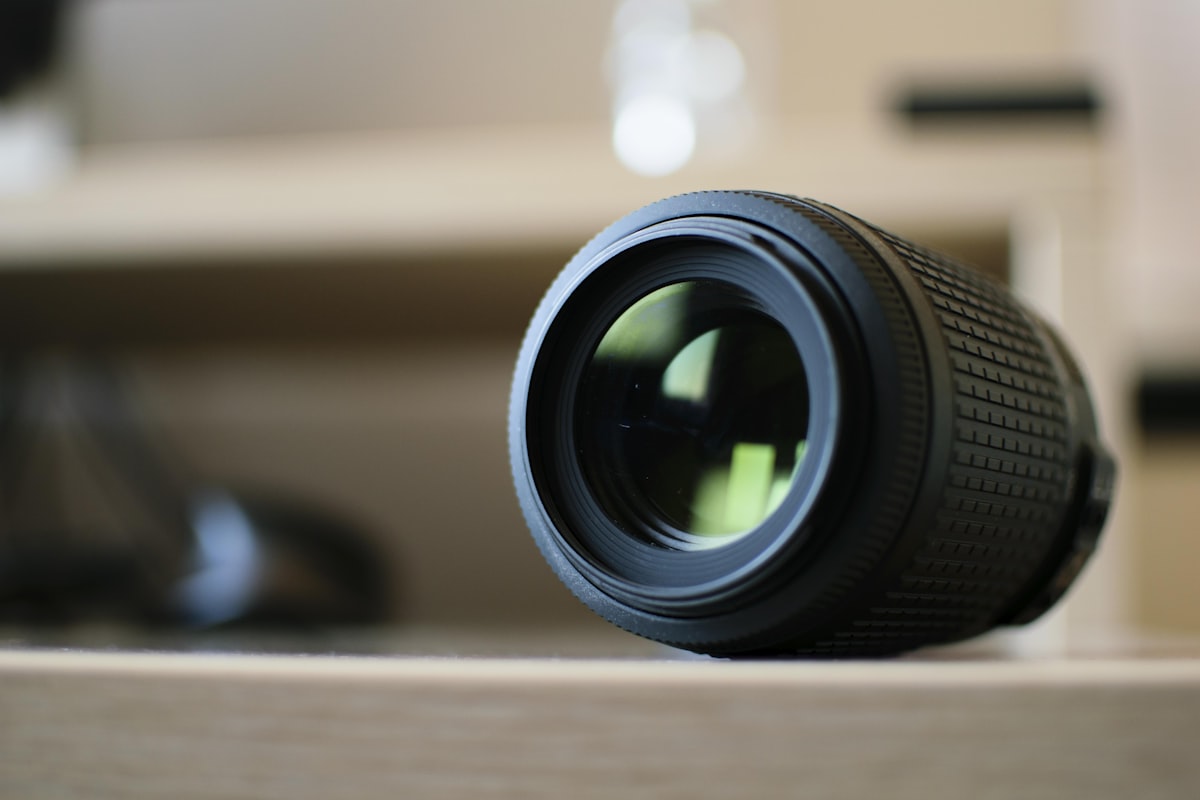
Talk Photography's long-running equipment insurance roundup, maintained by the forum's admin, lindsay, does something most quote pages avoid: it prints the single-item ceiling next to each provider. LoveIt CoverIt is listed as "Single item value limited to £3k." Tinhat Insurance is "limited to items purchased in the last year and maximum item value of £1k." Neither of those numbers is the headline limit anyone shops on, and either can be the number that decides a claim.
Travelers' Valuable Items Plus endorsement works the same way, which is why "is Travelers Valuable Items Plus per item" is a question worth answering directly rather than in the abstract.
The short version:
- It is both. You choose and pay for a blanket limit per class of property. The endorsement separately caps any single item inside that class.
- The per-item cap on Valuable Items Plus is $10,000. Your blanket total can be far higher and that cap still applies to each item individually.
- Unscheduled valuables on a plain homeowners policy are capped far lower, in the range of $1,500 to $5,000 per item by Travelers' own account, and about $1,500 for jewelry theft per the Insurance Information Institute.
- The two numbers fail independently. A kit comfortably inside its blanket total can still have its single most valuable lens capped.
Is Valuable Items Plus Per Item or Per Class?
Both, and they are separate numbers. Valuable Items Plus is blanket coverage, so you do not schedule each lens, but blanket does not mean uncapped. You pick a total limit for the class (cameras, in this case) and pay for it by the $100 of coverage. The endorsement then applies its own ceiling to any single item within that class, and per the endorsement language covered in our full breakdown of HQ-61B, that ceiling is $10,000.
So the honest answer to the search is: the limit you chose is a per-class total, and there is a second limit you did not choose that applies per item. Travelers revises exact figures between editions of the form, so the $10,000 is the number to confirm against your own Declarations page rather than assume, but the two-limit structure is the part that does not change.
Why the Cap You Didn't Choose Is the One That Bites
Because it scales with your best gear, not your total. A blanket limit is easy to get right, since you can add up what you own. A per-item cap is easy to get wrong, because it only ever tests one thing: your single most expensive item.
Work the arithmetic. Suppose you carry $40,000 of cameras and glass under a $45,000 blanket limit. You are comfortably inside your total, and every renewal notice will tell you so. Now suppose one item in that kit, a long fast telephoto, is worth $13,000 on its own. Under a $10,000 per-item cap, that lens is underinsured by $3,000 no matter how much headroom the blanket limit has. The $5,000 of unused aggregate does not flow across to cover it.
That is the asymmetry worth internalising: buying more total coverage does nothing for the item most likely to be capped. The only fixes are a higher per-item ceiling, or moving that specific item onto a scheduled policy where its own agreed amount is the limit.
What the Cap Looks Like Elsewhere
Lower than Travelers', usually, and often bundled with a second condition. The UK examples in lindsay's roundup are the clearest published version of this, because they state the ceiling outright:
"Single item value limited to £3k."
"limited to items purchased in the last year and maximum item value of £1k"
The Tinhat entry is the instructive one, because it stacks two restrictions. Even a modest single-item ceiling is survivable if you know it. A ceiling that also excludes anything you have owned for more than a year quietly disqualifies most of a working kit, since the gear you rely on is rarely the gear you bought last month.
US policies express the same idea through special limits of liability. On an unscheduled homeowners policy, Travelers' own guidance puts the per-item ceiling for valuables in the $1,500 to $5,000 range, and the Insurance Information Institute puts the standard limit for jewelry theft at about $1,500. Valuable Items Plus exists precisely to lift those numbers, which it does. It just does not remove the concept.
Home Contents Cover Has the Same Trap, With Sharper Teeth
It does, and it fails in a second way as well: the item has to be on the policy at all. lindsay's own reason for starting that roundup was a loss, and the detail that made it a total loss was administrative rather than financial. As she put it in the opening post, after her car was broken into and a camera bag taken:
"household cover was only for items specified on the policy, and I hadn't updated it with all of my current list of kit"
She described the same outcome again later in the thread, this time naming the insurer and the circumstance:
"My interest in this was prompted by having circa £3k of cameras and laptop stolen from the locked boot of my car whilst very briefly stopped at a services, and my More Than home contents policy did not cover it despite an all risks element to the cover."
Read that last clause carefully, because it is the point people miss. "All risks" describes which causes of loss are covered. It says nothing about which items are covered, or up to what amount each one. A policy can be all-risks and still decline, because the limits and the specification requirements sit on a different axis from the perils. That distinction is a different axis of the same policy, and it is the subject of a separate post on Valuable Items Plus versus Special Personal Property.
How to Check Before You Buy, Not After
Four things, and all of them are answerable before you pay a premium:
- Ask for the single-article limit in writing, by that name. Quote pages advertise the aggregate. Ask specifically what the maximum payout is for any one item, and get the answer in an email rather than on a call.
- Name your most expensive item in the question. Not your kit value, the one item. "I own a lens worth $13,000. What does this policy pay if that specific lens is stolen?" A number that comes back lower than the lens is the whole answer.
- Check whether the cap is per item or per claim. These are different failure modes. A per-claim ceiling bites when a whole bag goes at once, which is the most common way photographers lose gear, and a bag theft is exactly the scenario where both caps can apply at the same time.
- Keep a serialised list and send it in. Dave Canon, a long-time poster in the same thread, described the habit that removes the argument entirely:
"I also draw up a list of the kit I want covered with Serial Numbers (and send to the insurance company) so there is no doubt if it comes to a claim"
He also noted that he prunes it, removing old bodies he no longer uses. That matters for the same reason lindsay's loss did: a list is only protective if it matches what you actually own on the day of the claim, not what you owned when the policy was written.
So What Should You Actually Do?
If your kit has no single item above the per-item cap, blanket coverage like Valuable Items Plus is doing its job, and the cap is a technicality you can ignore. If one or two items sit above it, the sensible structure is usually hybrid: leave the bulk of the kit on blanket cover, and schedule the two or three pieces that exceed the ceiling so each carries its own agreed amount.
What does not work is buying a bigger blanket total and assuming it trickles down. It does not. The per-item cap is a separate gate, and it is the one your most valuable lens has to pass through.
Our comparison table lists the standalone providers we track, and our full methodology covers the five questions we check for every one of them, including how a provider handles the limits above.