State Farm Insures Cameras for About $1 per $100, With No Deductible. It Also Stops Working the Day the Camera Earns.
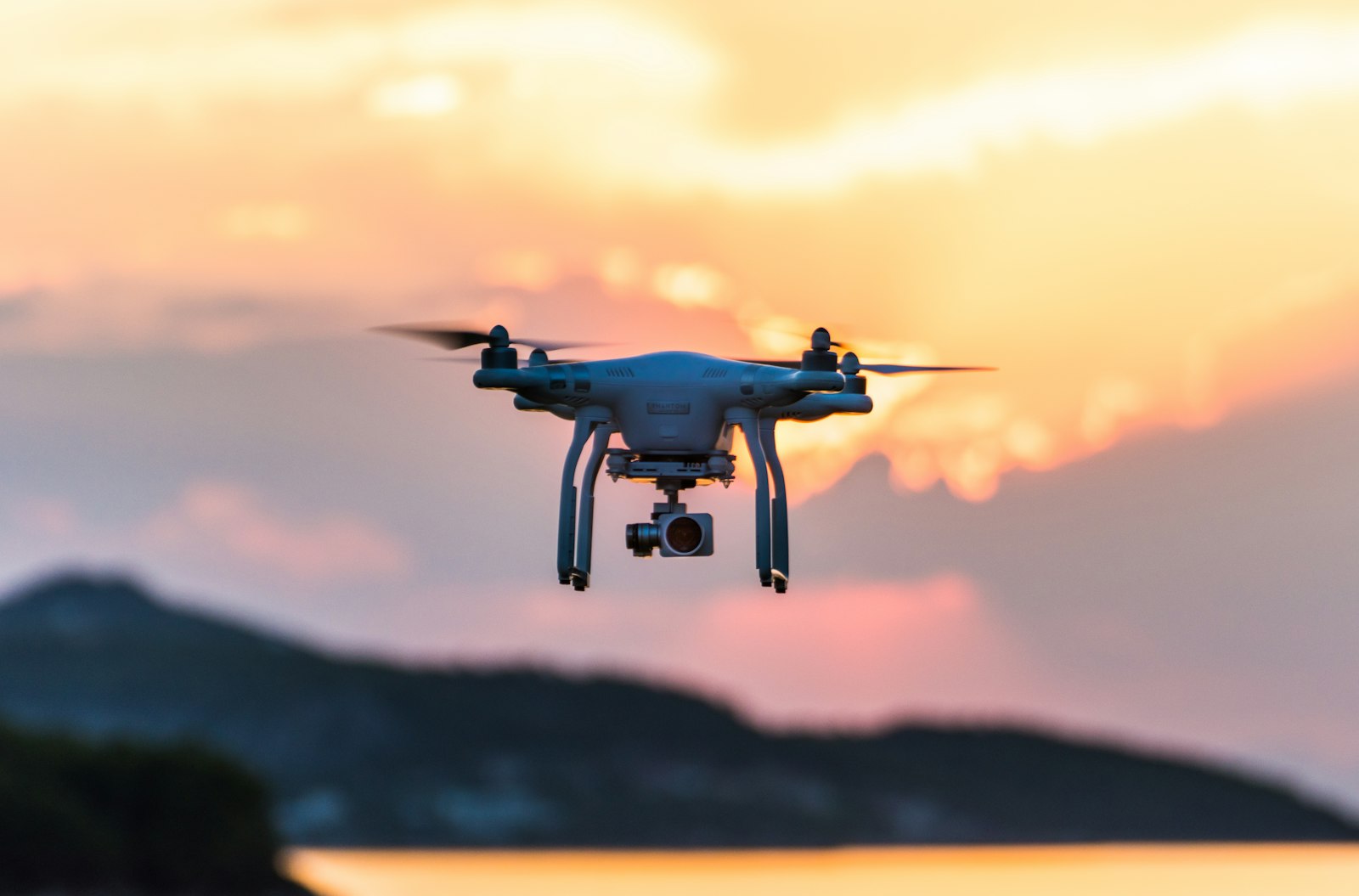
A real estate photographer with more than $10,000 of gear opened a thread on r/RealEstatePhotography asking how everyone else covers theirs. They had done some reading and arrived at a specific idea: "I'm seeing PAP with StateFarm might be a good move."
Forty-two comments followed. Several recommended State Farm enthusiastically. Almost none of them were describing a Personal Articles Policy.
The short version:
- State Farm's Personal Articles Policy is genuinely cheap, priced per $100 of coverage, with generally no deductible and replacement cost without depreciation.
- It is a personal policy. One drone pilot in a separate thread was dropped "because over 20% of my business was drone related."
- State Farm's own page does not warn camera owners about this. The "for personal use only" footnote is attached to PCs, laptops and software. Not to Cameras. Not to Drones.
- The photographers praising State Farm in that thread were on its business policy, quoted at around $20/month and "under $300 a year" for $20,000 of gear plus liability. State Farm's commercial inland marine carries a commercial articles form covering "photographic equipment" by name.
- You cannot buy the PAP on its own. State Farm's FAQ says so plainly, which contradicts widely repeated advice, including advice this site published.
What Does State Farm's Personal Articles Policy Actually Cover?
Cameras and drones, by name, against theft and accidental damage, at replacement cost with generally no deductible. State Farm's own page lists "Cameras" under Electronics and "Drones" under Equipment, and describes the terms in language that explains why photographers keep recommending it:
"We'll pay the cost to repair or replace your personal property, without deduction for depreciation up to the applicable limit."
On the deductible, the page is equally direct:
"Although available if desired, there generally is no deductible on a personal articles policy."
Pricing works the way our Travelers HQ-61B post documents for that carrier's comparable product: State Farm says the price "is usually based on a specified dollar amount for each $100 of coverage." Reported real-world rates land around $1 to $1.65 per $100 per year, so a $10,000 kit runs roughly $100 to $165 annually. Coverage travels worldwide.
That is a good product. The claims experience described by people who have used it is also good. A drone pilot walked through an actual paid claim that took almost no effort:
"I made one claim which consists of telling them my drone is destroyed, I believe I sent one photo of the wreckage, and they sent me a check for the amount on the receipt that I submitted on day 1"
None of that is the problem. The problem is who is allowed to hold it.
How Much Does State Farm Camera Insurance Cost?
Roughly $1 to $1.65 per $100 of coverage per year on the Personal Articles Policy, which puts a $10,000 kit at about $100 to $165 a year, with generally no deductible and no depreciation taken off a payout. State Farm does not publish a rate. Its page says only that the price "is usually based on a specified dollar amount for each $100 of coverage," so the per-$100 figures above come from photographers reporting what they were quoted, not from the carrier.
The business policy is priced on a different basis and, for a working photographer, often lands close to the same number while covering considerably more. The two photographers in that same real estate thread who were happy with State Farm put it at "under $300 a year" for $20,000 of gear plus liability, and at "something like $20 per month" for equipment, liability and drone coverage, which one of them reckoned was about a third of what Hill and Usher had quoted. Their full comments are further down this post.
So the honest comparison is not cheap against expensive. A $10,000 hobbyist kit on the Personal Articles Policy and a $20,000 professional kit on a business policy with liability attached sit within about a hundred dollars of each other. Price is not what separates these two products. What separates them is whether the policy survives contact with the fact that the camera earns.
Three things make any quoted figure shakier than it looks. These are individual reports rather than a rate table. State Farm prices by state, by agent, and by what else you already carry with them. And the Personal Articles Policy cannot be bought on its own, so its true cost includes the home, renters or auto policy you have to hold alongside it, a point the carrier's own FAQ settles further down this page.
Does the Personal Articles Policy Cover a Camera You Get Paid to Use?
No, and the clearest evidence is a photographer who was removed from the policy for it. In that same drone thread, a commenter reported the outcome in one sentence:
"I was dropped by State Farm because over 20% of my business was drone related."
That is not a denied claim. It is worse in a quiet way: the coverage was withdrawn while the gear was still being used to earn money, which means the exposure continued and the protection did not.
It matches what the Travelers post already documents from a different photographer. Stephanie Lindemann carried a State Farm personal articles policy on her camera equipment for more than two years, had her car broken into, and had the claim denied. The stolen gear was not being used commercially at the time. She had, at some point, sold "a photo or two" to a calendar.
Two independent accounts, one drone and one camera, a decade or so apart, pointing at the same line. The commercial-use question is not a technicality that gets waived for small amounts of freelance income. It is the thing the underwriter checks.
Why Doesn't State Farm's Page Say This?
It does say it, for three product categories, and cameras and drones are not among them. This is the finding that made this post worth writing.
On State Farm's covered-items list, three entries carry an asterisk: PCs, Laptops, and Software. The footnote reads:
"*For personal use only"
Cameras carry no asterisk. Drones carry no asterisk. A photographer reading that page carefully, and noticing that the restriction is specified for laptops, would reasonably conclude that it was specified because it does not apply everywhere. The page's own worked example is a photography scenario, involving a telephoto lens knocked into the Bering Sea on a photo tour.
We are not suggesting the exclusion is hidden. The page carries the standard disclaimer that it "contains only a general description of coverages and is not a contract," and eligibility questions genuinely belong with an agent. The restriction is presumably in the policy form. The policy form is not published, which is the same disclosure gap we documented on PPA's PhotoCare deductibles: the summary you can read before buying is written by the party selling it, and the document that would settle the question is not available to you.
The practical consequence is specific. The one restriction most likely to void a working photographer's policy is the one the marketing page does not mark on their item.
What Were the Photographers in That Thread Actually Recommending?
State Farm's business policy, which is a different product sold by the same company, and in several cases a considerably better deal than the specialty insurers. One commenter described the coverage and what it cost:
"State farm Like $20k of gear coverage , liability for my business, income loss due to an accident, etc. All for under $300 a year"
Another put a number on the comparison, and on how they got it:
"Local state farm agent, not national number. It was something like $20 per month. Included all my equipment and liability as well. Also included drone insurance. ... Was something like 1/3 the price of what Hill and Usher wanted."
Read that first clause again, because it is the most actionable sentence in the thread. "Local state farm agent, not national number." State Farm sells through roughly 19,000 agents, and this is a company where the channel you call determines the product you are offered. The national line is built to sell standard personal products. A local commercial agent can write a business owner's policy with inland marine coverage on the gear.
Both of those quotes describe something a Personal Articles Policy cannot do at any price: they include liability, and one includes loss of income. If a light stand falls on a client, the PAP does nothing, a point our liability and COI post works through in detail.
So the thread is really two conversations wearing the same brand name. The person asking was about to buy a recreational policy for a commercial kit. The people answering had already solved that problem and did not mention that they had.
Does State Farm Offer Insurance for Professional Photographers?
Yes, and there is a form named for photographic equipment. It is not the Personal Articles Policy, and it is not sold anywhere near it. On the commercial side of State Farm's site, under small business solutions, inland marine insurance covers "property that is movable or transportable in nature," and State Farm lists thirteen separate forms under it. One of them is the commercial articles form, described in a single line:
"Photographic equipment, musical instruments and fine art that the insured owns."
That is the product the photographers in the thread had found without ever naming it. As far as we can tell, it is the only place on State Farm's website where photographic equipment is called out by name for a business owner.
The same page explains why the form sits apart from a standard business policy. Inland marine "offers broader coverage with fewer exclusions," and it "may offer protection if your tools and equipment are damaged when you travel with them." For a photographer that last clause is the whole point. Gear that lives in a car, a client's living room and an airport queue is movable property by definition, and movable property is what inland marine was built for.
The usual arrangement pairs it with a Business Owners Policy, which State Farm describes as one where "liability and property coverages are included in one combined package." That supplies the two things a Personal Articles Policy structurally cannot. If a light stand falls on a client, the business policy responds and the personal one does not, a distinction our liability and COI post works through in the detail a venue's certificate request demands.
What you are choosing between looks like this:
| Personal Articles Policy | Business policy with inland marine | |
|---|---|---|
| Sold through | Personal lines, national number or any agent | A local commercial agent |
| Gear named | Cameras and drones | Photographic equipment, via the commercial articles form |
| If the gear earns | Documented non-renewals and denials | The product built for it |
| Liability | None | Included in the package |
| Loss of income | None | Available |
| Deductible | Generally none | Set on the policy |
| Reported cost | About $1 to $1.65 per $100 per year | About $20 a month, "under $300 a year" for $20,000 plus liability |
The gap this leaves is the one the rest of this post keeps running into. A photographer searching for State Farm camera insurance lands on the Personal Articles Policy page, which lists Cameras without the personal-use asterisk and illustrates itself with a photography scenario on a photo tour. The form actually built for their situation is filed under small business solutions, in a list of thirteen alongside vending machines and livestock. Nothing on either page points at the other.
The same caveat applies to both. State Farm's commercial pages carry a disclaimer matching the personal one:
"This is only a general description of coverages of the available types of business insurance and is not a statement of contract."
So the commercial articles form is named, its scope runs to one sentence, and the document that would tell you what it actually excludes is not published either.
Can You Buy a Personal Articles Policy Without Other State Farm Coverage?
Not according to State Farm today. Its FAQ asks the question directly and answers it in five words:
"Can you have a standalone personal articles policy?"
"No. The personal articles policy may be a valuable companion to your existing property insurance."
This corrects something this site has published. Our Travelers post quoted an AnandTech forum user saying "I dont have any other type of insurance or service with State farm and I have it," and our hobbyist coverage post quoted an Fstoppers commenter recommending the PAP with "No home/auto/renters insurance required." Both are real comments, both are widely repeated elsewhere, and both are now contradicted by the carrier's own current page. We have added a note to each rather than deleting them, because they may well have been accurate when written.
The general lesson is worth more than the specific correction: a product claim in a forum comment has a shelf life. Insurers change eligibility rules quietly and without announcing it, and a five-year-old comment describing what an agent sold someone is evidence about the past, not a description of what you can buy today.
What Happens to Your Record If You File a Claim?
It goes on your loss history, it should not raise that policy's premium, and it can still get you non-renewed. A commenter in the drone thread answered a four-part question about this with unusual precision:
"Yes, it will show on your loss history report. It will not affect any current policy/policies. It can affect eligibility for new insurance policies."
And on the outcome people do not anticipate:
"Your policy can be non-renewed if you file a claim within the first few years of the policy so make the claim worth it."
The pilot who described the easy paid claim above confirmed the same pattern from experience, saying that after claiming, the policy on the replacement drone "was cancelled in a few months."
That distinction is worth holding onto because it is easy to hear "it will not affect your premium" and stop listening. Not surcharging a policy and not renewing it are different outcomes, and only one of them is good news. The loss-history point also connects to something the site has covered before: claims recorded against you follow you to other carriers through the CLUE database, which is why a small claim can cost more than it pays.
Two more limits from the same thread, both worth confirming with an agent rather than taking from us or from Reddit: the policy was described as unavailable in California and possibly Massachusetts, and flyaway losses on drones were described as not covered.
Before You Call State Farm About Camera Gear
- Decide first whether your gear earns money, including occasionally. If it does, the Personal Articles Policy is the wrong product, and buying it anyway means paying premiums for coverage that has a documented history of being withdrawn or denied on exactly that basis.
- Ask a local commercial agent, not the national number. Ask specifically for a business policy with inland marine coverage on scheduled equipment. That is the product the photographers in the thread were happy with.
- Ask for the general liability limit and whether loss of income is included. These are the two things a personal policy structurally cannot give you, and they are why the business policy is worth more than its price difference.
- Ask what percentage of business use makes you ineligible, and get the answer in writing. One pilot was dropped at over 20%. Whether that is a rule or one underwriter's judgment is exactly the kind of thing the published material will not tell you.
- Ask whether it is available in your state. California and Massachusetts both came up as problems.
- Ask what a claim does to renewal, not just to premium. "It will not raise your rate" and "we will renew you" are separate promises.
If you are a hobbyist whose camera has never been paid for a job, the Personal Articles Policy is a genuinely strong option and one of the cheapest ways to get replacement-cost coverage with no deductible. If you are anyone else, the right State Farm product exists, it is just not the one you were about to buy.
How that business-use restriction compares with the other forms we have read is set out clause by clause on our policy clause reference, along with what State Farm does and does not publish.
To see how this compares against dedicated gear insurers, our comparison table covers what current providers actually offer, and our methodology explains how we evaluate them.
Related on GetCameraGuard
Allstate Will Schedule Your Camera. Three of Its Own Pages Give Three Different Answers on the Deductible.
Allstate names "expensive cameras" as a schedulable class, and a policyholder describes a paid claim on bodies and lenses. What Allstate does not publish is the endorsement itself, or a straight answer on the deductible.
Read →
You Don't Need an LLC to Insure Your Camera Gear (But It's Easy to Think You Do)
A hobbyist with $20k in gear — Canon R8, Leica M11, iPad Pro — hit a wall trying to insure it without a business name or address. Here's why that wall exists, and which providers don't require one.
Read →
Travelers' HQ-61B Endorsement Covers Cameras, But Only If You Already Have a Travelers Home Policy
"HQ-61B" is Travelers' Valuable Items Plus endorsement, and cameras are explicitly one of the covered classes. Here's what it actually covers, what it costs you in flexibility, and the one upside worth crediting.
Read →
State Farm Told Him $50,000 of Gear Made Him "Commercial." He Isn't Selling a Single Photo.
The trigger that pushed this hobbyist off personal-lines coverage was the value of his kit, not how he uses it. Two different things get you sent to business insurance, and only one of them is about running a business.
Read →