USAA Paid a Camera Claim in 20 Minutes With No Deductible. Then It Noticed He Was Selling Gear.
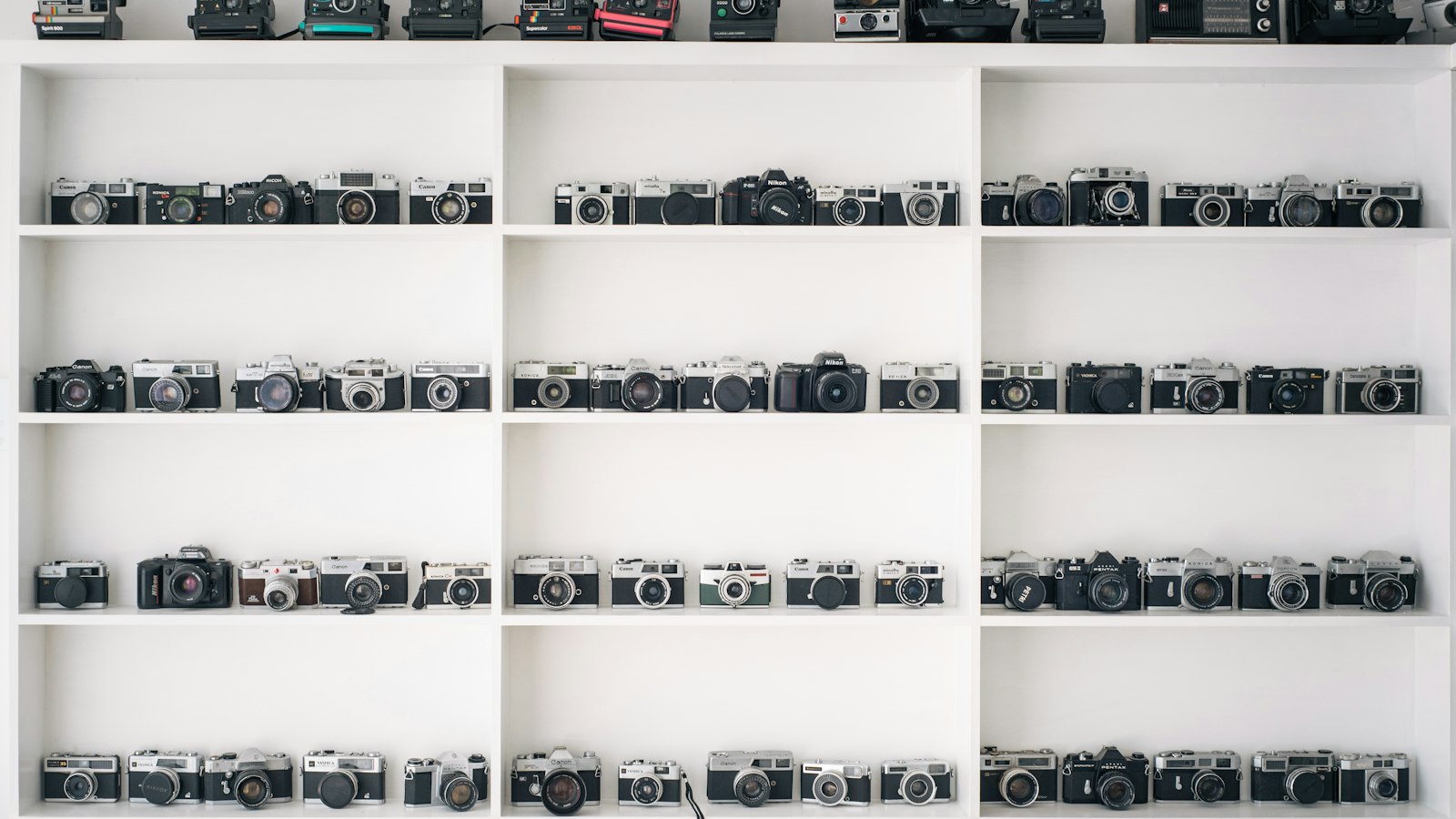
A Nikon Cafe member posting as Panther opened a thread in June 2016 with a bullet list and no preamble. He had water damage on a Nikon Df. The Df and his Fujifilm X100T were both scheduled on a USAA Valuable Personal Property policy, and as he put it, "Annual premium for both cameras is about $40 buck." He called at 10pm to explain the situation:
"20minutes later, I have the full retail cost of the Df plus local tax wired to my USAA account!!!!!"
His own tally for the whole arrangement was "about $120 paid in insurance premiums over about 3yrs and approx. $3k reimbursed." Thirteen posts later in the same thread, another member named SteveK described losing that coverage entirely, and the reason USAA gave him is not the one most photographers are braced for.
The short version:
- VPP names cameras as one of nine covered classes in the filed contract, all-risk, anywhere in the world.
- USAA advertises "You'll never pay a deductible." The word appears zero times in the six-page policy form, yet a footnote on the same page says payouts are "subject to policy limits and policy deductible."
- Rates "start as low as $2 per month," which the footnote defines as the minimum chargeable premium, not a typical price.
- You must be eligible for USAA membership, which means military service, or a parent or spouse who served.
- The business exclusion is wider than "getting paid." The contract's definition of business includes "items bought for the purpose of selling or trading."
What Does USAA's Valuable Personal Property Policy Actually Cover?
Cameras by name, as one of nine scheduled classes, against any physical cause of loss the policy does not specifically exclude. USAA's filed VPP contract, form VPPFCSA (01-26), lists class 5 as:
"Cameras: cameras and projection equipment, including accessories and darkroom equipment."
The coverage trigger is the all-risk wording photographers should be looking for, rather than the named-peril structure a standard homeowners policy uses:
"We insure against risks of direct, physical loss to covered property unless the cause of loss is not covered by this policy."
That single sentence is why a VPP rider pays for a soaked body when the underlying home policy would not, which is the mechanism our homeowners water damage post documents through a different USAA member's paid claim on an R6 and a 100-500mm lens. Coverage applies "anywhere in the world," and unusually for a property policy, this one pays dividends: "This is a participating policy. You are entitled to dividends as may be declared by the company's Board of Directors."
USAA's camera insurance page puts a practical floor under it. "You can insure one item or many, and limits start at $100," which means a single $900 lens is a legitimate policy, not a rounding error an agent will talk you out of.
Is There Really No Deductible?
The marketing page says so twice, the filed contract never mentions a deductible at all, and a footnote on that same marketing page contradicts both. This is the one place where USAA's published material does not line up with itself.
The page's headline claim is unambiguous. "Plus, there's no deductible," it says at the top, and further down, in a list of reasons a camera policy is worth buying: "You'll never pay a deductible." We searched the full six-page policy form for the word. It appears zero times, which is consistent with the marketing copy, since a form with no deductible provision cannot impose one.
Then there is footnote 4, attached to the replacement-cost claim on that same page:
"With replacement cost coverage, at our option, subject to policy limits and policy deductible, if you actually replace the property we will pay you the lesser of our cost to restore, repair or replace the damaged property or the amount you actually spent to restore, repair or replace the property."
"Subject to policy limits and policy deductible," on a page that promises you will never pay one. The most likely explanation is boring: that footnote reads like shared boilerplate written for USAA's property products generally, where deductibles do exist. The evidence still points toward the no-deductible claim being real, because the contract backs it. But it is worth asking the question on the phone and getting the answer against your own declarations page, not the ad copy.
There is a second thing in that footnote worth noticing. Replacement cost is paid "if you actually replace the property," and USAA pays the lesser of its own cost or what you actually spent. Buy the replacement used and you get the used price, not the new one.
Do You Have to Be Military to Get It?
Yes. USAA's property and casualty underwriting disclosure states the products are "available only to persons eligible for property and casualty group membership," and there is no consumer path around that. This is the single biggest difference between VPP and every other scheduled-property product this site covers.
USAA's membership page opens with a dropdown that is effectively the eligibility test, and its options describe the whole gate: honorably served in U.S. armed forces, enlisting, commissioning, NOAA or USPHS actively commissioned, federal agency employee, parent served or is a USAA member, spouse served or is a USAA member. On family, USAA's own FAQ is brief: "If you've established membership, there's good chance your children and spouse are also eligible."
In practice, eligibility travels down family trees in a way that surprises people. A long-time member who served on USAA's own member Advisory Panel walked through the chain in that Nikon Cafe thread: his late father's service made his mother eligible, and to pass eligibility to his siblings, "I bought her a small renters policy" at "$5K coverage, $82/yr $250 deductible." His summary is the useful part for anyone unsure: if you or a parent served honorably in any branch and any component, it is worth one phone call to find out.
The thread's forum administrator put the value of the whole thing more bluntly than USAA's marketing ever would:
"One of the few benefits veterans have left."
If you are not eligible, nothing else in this post applies to you, and the State Farm Personal Articles Policy or Travelers' HQ-61B endorsement are the closest comparable products sold to the general public.
What Does USAA Need Before It Will Schedule a Lens?
A per-item description including serial numbers, and for older gear, sometimes an appraisal. VPP is a scheduled policy, so there is no blanket camera bucket you can drop a kit into. USAA's own FAQ lists exactly what it wants for each item: type of item, manufacturer's name, model name or number, "Serial number if you have it," and "Detachable lens info with purchase date within the past 5 years."
The age of the item changes the paperwork. For anything you inherited or have owned more than five years that is still in production, USAA asks for the date and amount of retail or manufacturer's value plus the name of the retailer. For something more than five years old and no longer made, the page is explicit: "we'll need an appraisal with the date." That is the same trigger our vintage film camera post documents from the other direction, where a photographer scheduling a Contax T3 and a Hasselblad 500CM was sent straight to a professional appraiser.
Members describe the process the same way. On the Backcountry Gallery forums, a photographer who explicitly did not want a homeowners rider, because "I was told that will affect your home policy if you make a claim on the camera equipment," was answered by a member named Anjin San:
"I have a separate high value items policy from homeowners with USAA that covers computers, camera gear, and her jewelry although the camera gear is most of the cost. Requires serial and model numbers but covers everything."
Note what is bundled there. VPP's nine classes cover jewelry, furs, silverware, fine arts, cameras, musical instruments, guns, stamps and coins, on one contract with a separate class limit for each. A second Backcountry Gallery member, posting as JAS, described the appeal in one line: with USAA "it cover all reasonable issues including my stupidity."
Does It Cover a Camera You Get Paid to Use?
No, and USAA's exclusion is drawn wider than "you took money for a photo." The contract excludes:
"Any property: a. while being used for business; or b. away from the residence premises for a business purpose."
The definition of business is where it gets interesting. Alongside "the regular use of property for pay or profit," it includes "items bought for the purpose of selling or trading." Buying and flipping gear is business activity under this contract even if you have never shot a paid job. The camera page says the same thing in plainer words: "Whether you're a full-time photographer or just taking photos as a side hustle, a VPP policy won't cover the items you use for business."
SteveK's account in the Nikon Cafe thread is the clearest real-world illustration we have found of that second clause doing work:
"I have USAA, and they noticed that I bought and sold gear frequently, so they asked me if I was selling work professionally. They replied that I could no longer get coverage for my gear through USAA."
The trigger was not an invoice. It was transaction patterns USAA could already see. Whether the outcome should be read as the trading clause or the professional-use clause is not something an outsider can settle, but either way the lesson holds: the underwriter is looking at behaviour, not at how you describe yourself.
We have written the personal-versus-business question up in full elsewhere, both for hobbyists who never earn a cent and for the separate case where sheer gear value gets you reclassified. The USAA-specific point is narrower and easy to miss: this contract has no "incidental business use" grey zone at all, and it reaches gear you buy to resell.
Can You Insure a Drone With a Camera on It?
Not on VPP. USAA's FAQ answers it in four words, "Not on a VPP policy," and routes you to a separate USAA Technology Endorsement on your home or renters policy, which "helps cover personal drones under 10 pounds for common accidents like drops, spills and crashes." Commercial drones go to a third-party alliance instead.
This is a real divergence worth knowing if you are comparing carriers. State Farm's Personal Articles Policy lists Drones as a covered item alongside Cameras. USAA's nine classes have no drone class, and its camera class is defined as "cameras and projection equipment," which a flying aircraft is not. A gimbal camera or an action camera fits the camera class comfortably. The thing it is bolted to does not.
What Happens to Your Other Policies If You File?
Your other USAA products are protected by an explicit promise, and your VPP policy itself is not. Footnote 5 on the camera page is precise:
"Claims made under a USAA VPP or USAA Personal Property Plus policy will not result in a claims-related surcharge or loss of claims-free discount on other existing USAA insurance products."
Read what that covers and what it does not. It rules out a surcharge on your auto or homeowners policy, which is exactly the contamination the Backcountry Gallery poster above was trying to avoid by refusing a homeowners rider. It does not say USAA will renew the VPP policy, and the contract reserves nonrenewal on 30 days' written notice and cancellation on 10. It also says nothing about how the loss is reported to the industry's shared CLUE database, which is what a future carrier sees.
What Is Excluded Even Though Cameras Are Covered?
Failure, decay and anything you did to the gear yourself. All-risk is not all-inclusive, and four of the contract's exclusions hit camera gear specifically:
- "Mechanical or electrical breakdown or failure." A shutter that dies at 300,000 actuations is not a claim. A shutter smashed by a fall is.
- "Wear and tear, deterioration, inherent vice or defect." The ordinary decline of a ten-year-old body is on you.
- Microbial organisms, "including but not limited to mold, mold spores, fungus." Lens fungus is explicitly out, which matters for anyone storing glass in a humid climate.
- "Any repairing, adjusting, servicing or maintenance operation." Damage you cause during a sensor clean or a self-attempted repair falls outside the policy.
Two more mechanics deserve attention before you rely on the policy. Shipping is excluded by mail, but "we do cover shipment by registered mail or any other traceable delivery method," so sending a lens for repair is covered only if you use a tracked service. And newly acquired gear is covered automatically only up to 25% of that class limit, only if you "report the property to us within 30 days of the date acquired," and it is settled at "the market cash value of the item or the amount you paid for it, whichever is less," which is not the replacement-cost treatment your scheduled items get.
Stale schedules cause the other half of the problem. A member in the Nikon Cafe thread who finally reviewed four pages of scheduled items found he was still paying to insure memory cards at their original prices, including "ONE 4 GB SanDisk for $400." Premium is charged on the value you declared, so an unreviewed schedule quietly overpays on obsolete items while the new body you forgot to add sits uncovered.
Before You Call USAA About Camera Gear
- Confirm eligibility first. A parent's or spouse's honorable service may qualify you even if you never served.
- Ask for the deductible in writing on your declarations page, given that footnote 4 says "subject to policy limits and policy deductible" while the same page promises you will never pay one.
- Gather serial numbers, model names and lens purchase dates before you call. USAA asks for them per item, and gear older than five years and out of production needs a dated appraisal.
- Ask what "$2 per month" means for your kit. The footnote defines it as the minimum chargeable premium, and actual premium depends on location, coverage type and amount.
- If you buy and sell gear regularly, raise it before you buy the policy. The contract's definition of business includes "items bought for the purpose of selling or trading," and at least one member lost coverage over trading activity.
- Diary a schedule review every year. New bodies must be reported within 30 days, and old items keep charging premium at prices that stopped being real years ago.
For a photographer who is eligible, shoots for love rather than money, and does not flip gear, VPP is one of the strongest scheduled-property products in this market: all-risk, worldwide, replacement cost, no deductible in the form, and a claims reputation members describe in exclamation marks. For anyone whose camera earns, it is the wrong product bought from the right company, and USAA says so on its own page.
VPP's wording on accidental damage, business use and settlement basis is lined up against the other forms we have read on our policy clause reference. It is currently the only policy there whose open-perils grant we have been able to quote.
To see how this compares against dedicated gear insurers, our comparison table covers what current providers actually offer, and our methodology explains how we evaluate them.
Related on GetCameraGuard
State Farm Insures Cameras for About $1 per $100, With No Deductible. It Also Stops Working the Day the Camera Earns.
A real estate photographer asked about State Farm's Personal Articles Policy. Everyone who answered had a different State Farm product. Here is the line between the two, and what happens when you cross it.
Read →
You Paid $50 for Four Cameras. Does Insurance Pay $50, or What They're Worth?
A garage sale haul of film bodies is worth many times what it cost. We read the filed forms: one clause pays the lesser of market value and what you paid, the same clause treats a gifted camera better than a bargain one, and another asks for the receipt you were never given.
Read →
Does Homeowners or Renters Insurance Cover Water Damage to Your Camera? Usually Not
A wave knocked a camera into the ocean and the claim got denied over "surface water," not electronics failure. That denial matches standard, industry-wide policy language almost word for word — here's the exclusion, quoted directly.
Read →
Thieves Took His Camera and He Wanted a Lighter One Instead. One Contract Pays Cash Without Depreciation, Another Deducts It.
Whether you can put a theft payout toward different gear is decided by one paragraph most photographers never read. Two published forms answer it in opposite directions, and the carriers in between do not answer it at all.
Read →