Your Camera Cost $400 in 2014. It's Worth $2,500 Now. Does Your Insurer Know That?
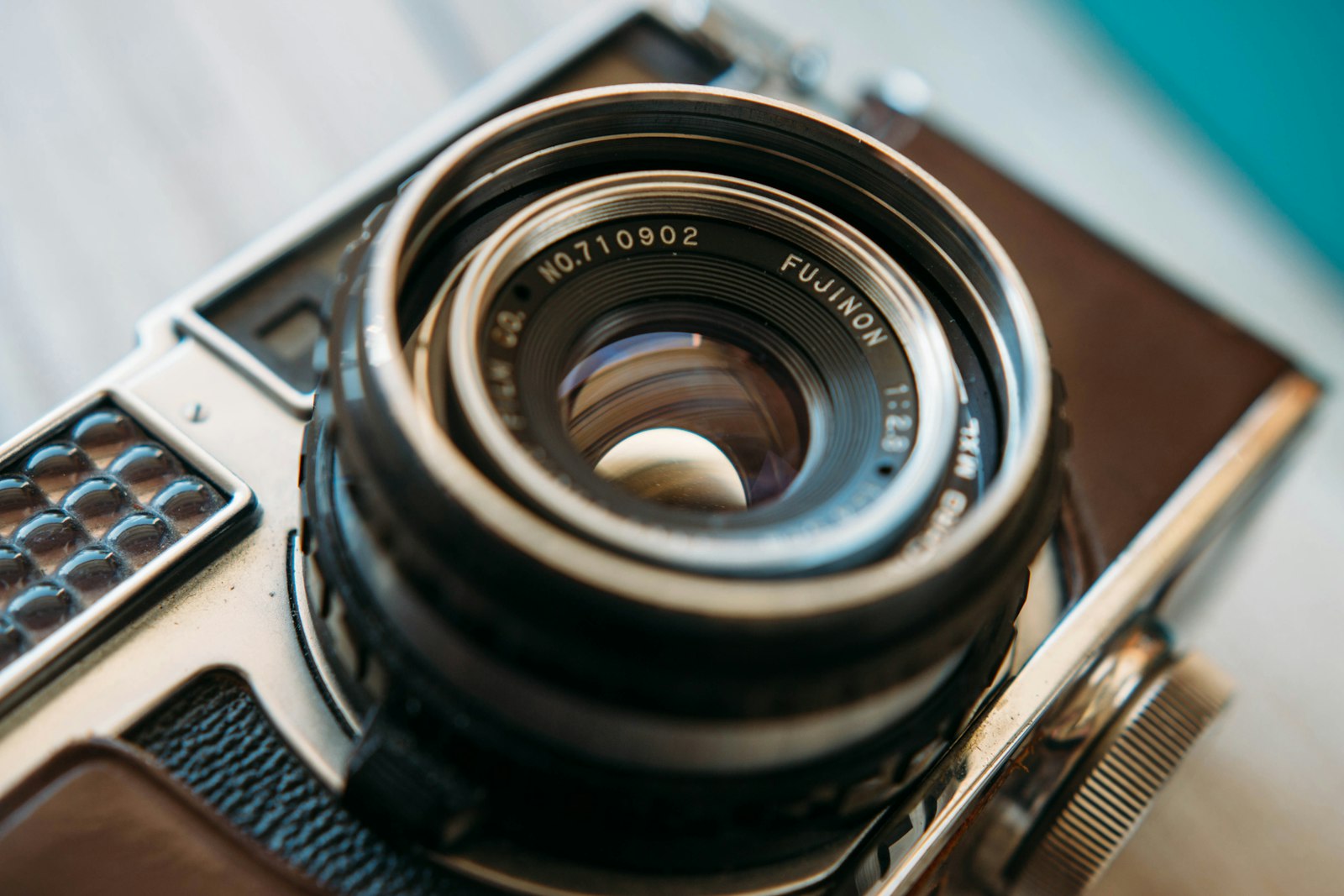
A photographer on r/AnalogCommunity laid out a problem most insurance paperwork isn't built to handle: a Contax T3 and a Hasselblad 500CM with a 60mm, both bought in 2014, both "purchased far below what the current market is at." The Contax alone went from $400 to over $2,500. After a decade of traveling the world uninsured, they finally went to add the gear to a policy, and USAA came back asking for a professional appraisal. Their one instruction to the thread: "not looking for trade-in value."
That last line is the whole story. Trade-in value is what a camera shop offers you to make room for the next customer's upgrade. It's not what a Contax T3 in good condition is actually changing hands for on eBay right now, and it's definitely not what it would cost to replace one if it disappeared tomorrow. Most camera insurance, and most insurance adjusters, default to thinking about gear the way retailers do: something that loses value the second it leaves the box. Film and vintage cameras have quietly stopped playing by that rule, and a lot of policies haven't caught up.
Why Vintage Gear Breaks the Normal Insurance Model
Digital camera bodies depreciate like every other piece of electronics: a body worth $3,000 new is worth a fraction of that in three years, once a newer sensor and autofocus system make it look dated. Insurance pricing, actual cash value payouts, and "what's this worth" conversations with an adjuster are all built around that curve going one direction, down.
Discontinued film cameras run the opposite curve. There's no newer, better Contax T3 coming out to make the 2014 one look obsolete, because Kyocera stopped making them in 2005. What's driven the T3's price up isn't nostalgia alone, it's a real supply constraint (a fixed, shrinking pool of working units) meeting a real demand spike (a genuine resurgence in film shooting, visible in every one of these subreddits' new-member counts). The same dynamic applies to a working Hasselblad 500CM, a clean Leica M-body, a Rolleiflex TLR. These aren't collectibles in a glass case, they're cameras people actually shoot with, which is exactly why an insurer's first instinct, quote the replacement cost of a new equivalent, doesn't work. There is no new equivalent. The only honest number is what the used market is actually paying, today, for that specific working copy.
What an "Appraisal" Actually Means Here
The original poster's instinct, get a formal third-party appraisal to head off any dispute later, is reasonable. But the most useful reply in the thread pushed back on what that appraisal should actually consist of:
"The best appraisal for a camera would be looking for what it's been recently selling for on eBay. I can't imagine someone you paid to appraise would do much more than that? It's not like this is one of a kind artwork or anything." — psilosophist
That's the practical reality for most working film gear: there's no accredited "vintage camera appraiser" trade the way there is for fine art or jewelry. A camera shop or repair tech can give you an informed number, but the evidence that actually holds up is a documented set of recent, comparable sold listings (eBay completed sales, KEH's buy price, B&H used listings) for the same model in the same condition, saved as PDFs or screenshots with dates on them. That's not a workaround for a "real" appraisal. For most cameras in this price range, it is the appraisal.
The Homeowners Bundling Trap
The second useful thread of advice had nothing to do with valuation and everything to do with which policy the gear ends up on. One commenter flagged a risk the original poster hadn't considered:
"I would strongly recommend a separate policy not tied to your homeowners insurance. Filing a small claim (and yes, this counts as a small claim) on your homeowners policy is a great way to get your rates hiked or get dropped entirely." — nrubenstein
This is the same mechanism we've written about before with homeowners water-damage exclusions: a homeowners or renters policy treats a camera claim as a home-insurance event, which means it can follow you the way a home claim does, through the CLUE database insurers share, into your next renewal quote. A $2,500 lens claim isn't just a $2,500 payout risk to your insurer, it's a data point that makes your entire home policy look claim-prone. The original poster had already avoided this by keeping the gear on a separate Valuable Personal Property policy rather than a homeowners rider, which the thread's replies treated as the obviously correct call, not an edge case.
What a Dedicated Policy Actually Looks Like in Practice
The most concrete answer in the thread came from a commenter describing their own setup, an inland marine policy, kept deliberately separate from both home and auto:
"I have an inland marine policy on my gear. It's up to $20,000 USD in coverage today and costs $200 a year... my agent recommended the divorce from the homeowners as often inland only policies don't get reported, therefore no home address insurance rate impact. Inland marine is basically an all peril policy, theft, fire, collision etc even while the property is in motion... My deductible is $100. I once dropped very expensive Hassy lens, smashed immediately, and the policy paid the value I paid for the lens." — Ireadyouremail69
Two things stand out. First, the price: $200 a year for $20,000 of all-peril coverage on gear that includes vintage medium-format equipment, with a $100 deductible, is a real, checkable data point for anyone assuming vintage gear is expensive or impossible to insure. Second, the payout: when the loss happened, the policy paid what the owner had valued the lens at, not a depreciated "what's a 20-year-old Hasselblad lens worth used" number. That's the practical version of what insurance people call agreed value coverage, and it's the piece that actually solves the original poster's problem.
Not every insurer works this way by default, either. Another commenter offered a useful contrast:
"FWIW, State Farm didn't make me get an appraisal on my camera gear for that rider. $10k total and $2k/item coverage." — counterfitster
Same general category of coverage, a scheduled personal property rider, and two completely different processes: one insurer wanted a formal appraisal before covering appreciating gear, another didn't ask for one at all up to a $2,000-per-item cap. The lesson isn't that one insurer is right and the other is wrong, it's that this varies enough between carriers that asking the exact question ("do you require an appraisal, and is my payout the agreed value or the depreciated value at time of loss?") before you buy is the only way to know what you actually have.
Agreed Value vs. Actual Cash Value, in Plain English
This is the distinction the whole thread is really circling, without always using the industry's own term for it:
- Actual cash value (ACV) pays what the item is worth today, factoring in depreciation, at the moment of loss. This is the default a lot of general property policies fall back to, and it's fine, even generous, for a camera body that's genuinely worth less than you paid.
- Replacement cost value pays what it costs to buy a new equivalent today. This is the default most digital-gear insurance is built around, and it quietly breaks down for a discontinued film camera, because there's no "new equivalent" to price against.
- Agreed value (or scheduled coverage with an agreed valuation) locks in a specific dollar figure, negotiated up front using your documentation, that the policy pays out regardless of what happens to the market between now and a claim. This is the only one of the three actually built for an asset that's supposed to appreciate.
For a depreciating digital body, the difference between these three barely matters. For a Contax T3 that's already gone up 6x since 2014, it's the difference between an insurer arguing you should be happy with a fraction of what it's actually worth, and a payout that matches the number you and the insurer already agreed on before anything happened.
What to Actually Do With This
If you're sitting on gear that's worth meaningfully more than you paid for it, film bodies, a first-generation mirrorless system that's become a cult favorite, glass from a discontinued mount:
- Pull your own comps before you call an insurer. Save dated screenshots of 3-5 recent sold listings (eBay completed sales, KEH's stated buy price, B&H used) for your exact model and condition. This is the documentation that actually settles a valuation dispute, appraisal or not.
- Ask specifically about agreed value, not just "coverage." "Do I get an agreed value or actual cash value at time of loss" is a different question than "is my gear covered," and the two threads above show it gets two different answers from two different insurers.
- Keep it off your homeowners policy if you can. A dedicated rider or a standalone inland marine policy, the kind of thing our comparison table covers, keeps a gear claim from following you into your home insurance's claims history.
- Re-check your valuation periodically, not just once. A camera that was fairly priced at $400 in 2014 was badly underinsured by 2024. If a model you own has had a visible resurgence (check completed eBay listings once a year), your policy's number needs to move with it.
See our full methodology for how we evaluate providers on exactly this kind of scheduled, agreed-value coverage, if you're shopping for a policy that actually understands gear can go up in price, not just down.