Her Harness Failed and a Borrowed Camera Rolled Into a Lake Mid-Shoot. There Was No Insurance to Call.
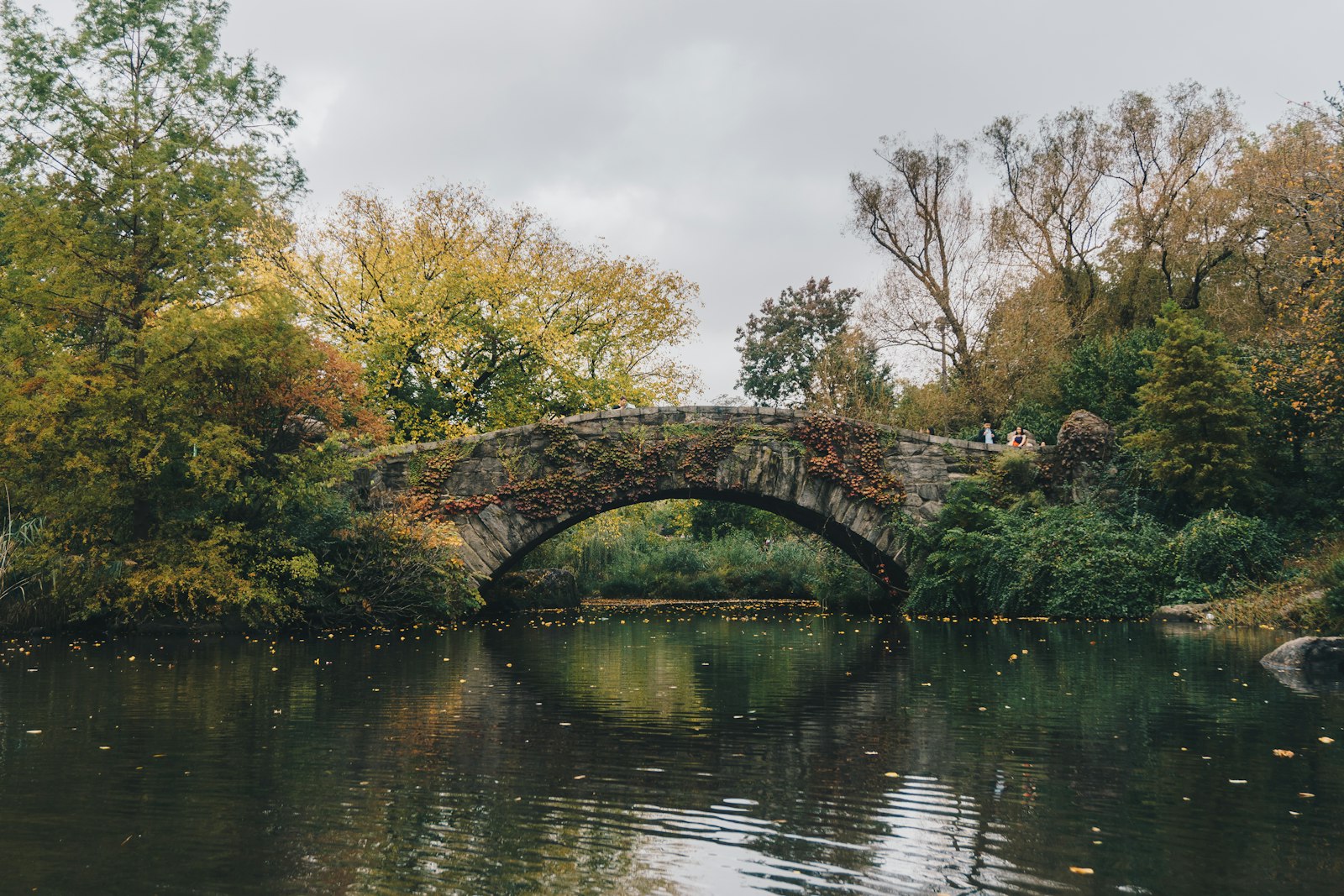
Fifteen minutes into a paid engagement session, a wedding photographer walked her clients onto a bridge for a few shots. She was wearing a dual-camera harness that night, her boyfriend's borrowed Sony A7 IV clipped in as a second body. "Somehow my harness malfunctions and my boyfriends camera falls off, rolling off of the bridge into the lake below," she wrote. "I quite literally scream, remove anything I have, and run in." The groom-to-be stripped down and jumped in after her. They found it after two minutes of searching, muddy water pooled behind the glass of a $700 lens.
The photos survived (the SD card in her other camera made it through fine), and the couple, remarkably, were understanding enough to reschedule. But buried in her own post, past the apology and the panic, was the line that actually explains why this story belongs here: "the major mistake in this scenario, I don't have business insurance right now." She'd been shooting professionally for six years. This was the first accident like it. It was also, by her own account, the one thing standing between "expensive mistake" and "handled."
What "No Negligence" Doesn't Fix
A lot of the 155 replies focused on comforting her, and fairly, harness failures aren't the same as carelessness. But two comments cut straight past the sympathy to the practical question everyone else skipped:
"Sounds like a perfect reason for a claim on your business insurance." — Inside-Finish-2128
"File a claim with your insurance company." — AlexHMI
Neither commenter was wrong about what a policy would normally do here. They were just wrong about her having one. That gap between "obviously you'd just file a claim" and "there was no policy to file it against" is the whole story, and it's worth sitting with, because the accident itself was almost a non-event from a coverage standpoint. A camera fell, fault was genuinely nobody's, the equipment got wet. That is precisely the kind of accidental, sudden, no-one's-really-to-blame damage that standalone gear insurance is built to pay out on, the same category we cover in our look at a failed Peak Design Capture Clip: the policy doesn't ask whether it was your fault, it asks whether it was an accident. This was.
The Part Nobody in the Thread Mentioned: It Wasn't Even Her Camera
Here's the detail that makes this case more useful than a typical "I dropped my camera" story: the gear that went into the lake belonged to her boyfriend, not to her. She routinely borrows his A7 IV as a second body for weddings. That's an extremely normal thing for a working photographer to do, gear is expensive, mirrorless bodies get shared between partners and colleagues constantly, and it's also a coverage question most photographers never think to ask until the moment it matters.
Even a photographer who does carry gear insurance often only has it scoped to equipment they personally own. Whether a policy extends to equipment you're using on a job but don't own, sometimes written as coverage for property in your "care, custody, or control", is a separate question from whether your own kit is covered, and it's exactly the kind of fine print that only gets read after something's already at the bottom of a lake. We've covered the mirror image of this same gap before, what happens to the owner's coverage when they lend gear to someone else; this is the same blind spot from the other side, what happens to you when you're the one holding someone else's camera on a paid job.
What Coverage Actually Costs, According to People Who Have It
The thread wasn't just theoretical advice. A few commenters mentioned real numbers, and they're worth putting next to the $700 lens and whatever the water-damaged A7 IV ends up costing to repair:
"I pay $17 a month for $15,000 of insurance on my camera equipment. I'm a birder, not a professional, but we travel to jungles, mountains, islands, etc. and it just makes me feel better." — Cancatervating
That's a hobbyist's number, not a working photographer's, and it's still less than the price of the lens that just got ruined. It's a useful gut check against the instinct to treat business insurance as a someday-purchase: $17 a month is roughly the cost of one streaming subscription, covering an amount of gear most enthusiasts could never replace out of pocket, let alone a photographer whose camera bag is also her income.
Another commenter, further down the same thread, offered the contrast from the other side, someone who had coverage and was still living through the aftermath of a similar accident:
"I had a tragic accident with water a few weeks ago. The camera, lens and adapter gone. About 3000 pounds worth of equipment. Still waiting on insurance to sort it all out. I understand the sick feeling." — Agile_Media_1652
Insurance doesn't erase the sick feeling of watching gear go underwater, and it doesn't make the claims process instant. What it does is turn "I'm personally out several thousand dollars with no path forward" into "I'm waiting on a check." Those are very different problems to have.
The Workaround That Makes Things Worse, Not Better
One reply, meant kindly, is worth quoting specifically because it's bad advice dressed up as helpful advice, and it's the kind of thing that circulates in every uninsured-photographer thread like this one:
"I also would not discuss this as a business situation, only that you borrowed the camera from your boyfriend and had the accident... If you tell them that you have a business, they'll deny you." — bitterberries
The suggestion here is to file a claim on a personal homeowners or renters policy while quietly leaving out that the camera was in use on a paid job at the time. That's not a loophole, it's a material misrepresentation, and it's exactly the kind of thing that gets a claim denied and a policy rescinded once an insurer's investigator asks a follow-up question or finds the same Reddit post this article is quoting. Personal property policies exclude business-use equipment on purpose; the fix for that exclusion is a policy that actually covers business use, not a version of the story that omits it.
What Would Have Actually Closed This Gap
Nothing here required an exotic policy. A standard photographer's business insurance package, gear coverage plus general liability, priced the way the PPA membership and other working-photographer options in our comparison table are, would have covered a scenario like this cleanly: accidental equipment damage during a paid shoot, no fault dispute required. The one extra question worth asking any insurer, given how common borrowed and shared gear is among working photographers, is whether non-owned equipment used on the job is covered too, or whether that needs its own rider.
None of that helps with the $700 lens already sent off to a Sony-authorized repair shop. But it's the difference between this happening once, as an expensive lesson with a repair invoice attached, and it happening as the reason a six-year career takes a real financial hit over a strap that gave out on a bridge.
See our comparison table for providers that cover working photographers on paid jobs, borrowed gear included, or our full methodology for how we evaluate what "business insurance" actually needs to include.