25 Years of Hamburger Eyes: SF's DIY Photo Zine Is Still Going

On April 30, 2026, Hamburger Eyes marked its 25th anniversary with the release of a book pulling together a quarter-century of work. It's a small milestone in the scheme of things, no press tour, no ad campaign, but it's worth pausing on, because a self-published zine outlasting 25 years in an industry that's rewritten itself around Instagram twice over is not the norm. It's the exception.
A Black-and-White Zine That Turned Into a Publisher
Hamburger Eyes started in 2001 in San Francisco as a black-and-white photography magazine, the kind of scrappy, photocopier-adjacent project that either dies quietly after a few issues or finds an audience and keeps going. This one found an audience. Over 25 years it's grown into a working independent publisher, putting out more than 250 zines, magazines, and books, alongside exhibitions and collaborations, while staying rooted in the same raw, unpolished, street-level aesthetic it started with.
That's the part worth noticing: it never professionalized itself out of what made it interesting. A lot of zines that survive long enough either fold into a bigger publisher or sand down their edges to look more like a gallery catalog. Hamburger Eyes has stayed a zine, same PO box, same open call for photographer submissions, same willingness to run work from someone with no gallery representation next to work from someone with plenty.
The Anniversary Book
The 25th-anniversary release, Hamburger Eyes – The First 25 Years, is a 162-page, 8.5×11 softcover collecting work from 161 photographers pulled from that back catalog. It's perfect-bound, printed on 100# matte stock, and, in a detail that fits the DIY spirit, ships with a commemorative pen. Hamburger Eyes describes it simply as:
"a special collection of photos selected from 250+ special zines and special books that we have published over the last 25 years."
No manifesto, no retrospective essay pitch, just the work, which tracks with how the publication has operated for two and a half decades.
On View at the SF Public Library
The book's release lines up with a 25th-anniversary exhibition at the San Francisco Public Library, running April 23 through September 24, 2026. That's several months of runway for anyone in the city who wants to see the work in print rather than on a phone screen. For a project that's spent a quarter-century in zine racks and record-store consignment shelves rather than gallery walls, a public library show is a fitting kind of recognition: accessible, unglamorous, open to whoever walks in.
Why It's Worth a Mention Here
San Francisco's photography scene has always leaned on outlets like this, cheap-to-produce, easy-to-submit-to, run by people who shoot as much as they publish. That's a different kind of infrastructure than a gallery or a magazine masthead, and it's part of what keeps a local street-photography culture actually active instead of just aspirational. Twenty-five years and 250-plus titles later, Hamburger Eyes is still doing exactly that.
Related on GetCameraGuard
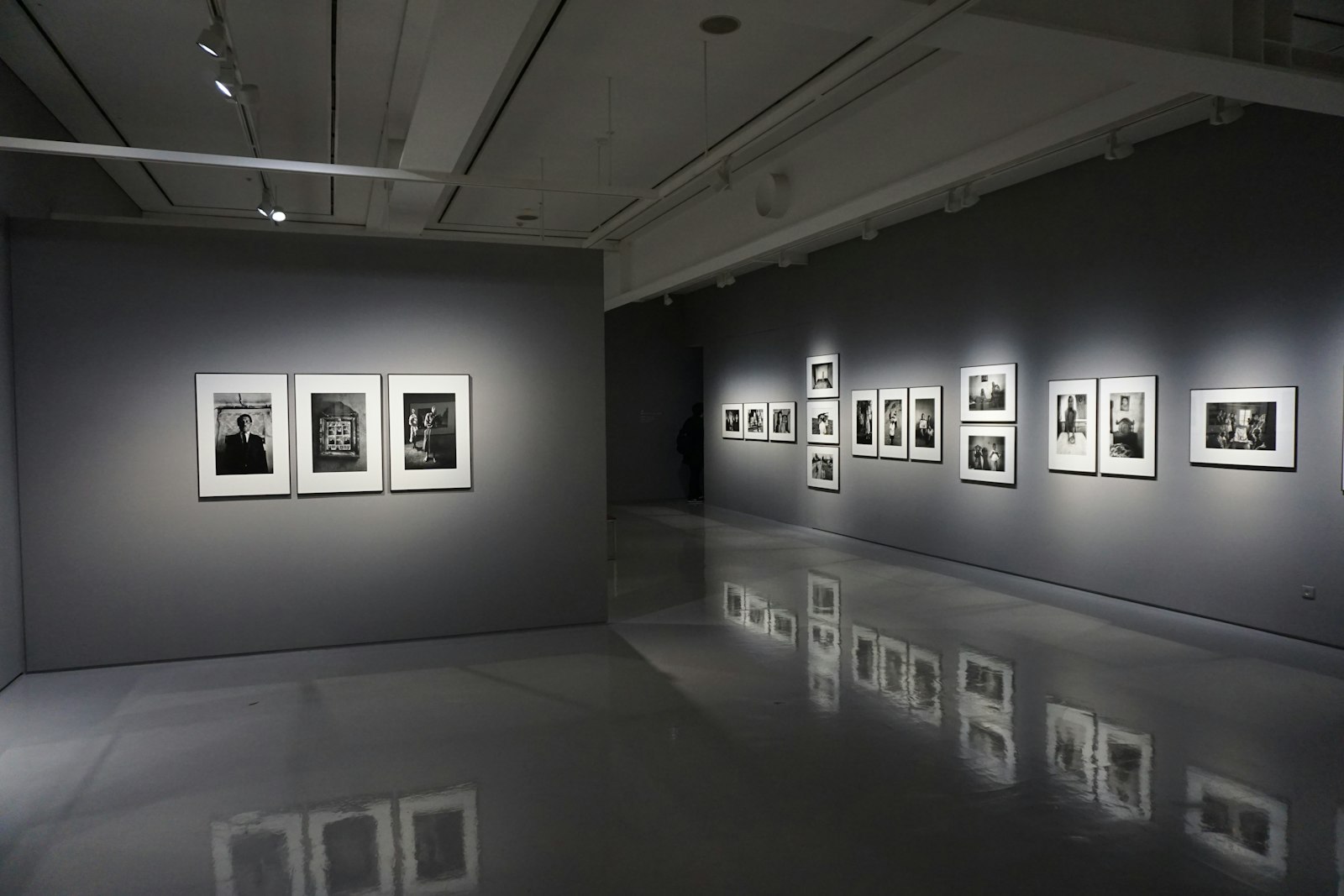
A 1981 Lowrider Photo Show Came Back to the Mission. One of Its Subjects Came With It.
Otra Onda/Otra Vez reunited a groundbreaking 1981 lowrider exhibition at Acción Latina, and a Mission resident showed up to stand next to the portrait taken of him at 15. A look at how photographs hold a community together, here and in places that look nothing like it.
Read →SF Camerawork Gave Six Days' Notice After 52 Years. Three Weeks Later, It's Reopening.
A board announced the end of San Francisco's oldest photography nonprofit on August 10. One of its founders drafted a rescue plan within days, the entire board turned over, and the doors open again today.
Read →
What Is Paris Photo, and Who Should Actually Go?
The world's largest photography fair returns to the Grand Palais this November. Here's what it actually is, who it's for, what tickets cost, and why the Paris Photo–Aperture PhotoBook Awards are worth planning your trip around.
Read →
Your Camera Cost $400 in 2014. It's Worth $2,500 Now. Does Your Insurer Know That?
Film cameras are appreciating assets now, not depreciating gear. Most insurance is built for the opposite. A real thread about insuring a Contax T3 and a Hasselblad 500CM shows what happens when the two collide, and what actually fixes it.
Read →