Is a Dry Cabinet Worth It, or Just Gear Acquisition Syndrome With Extra Steps?
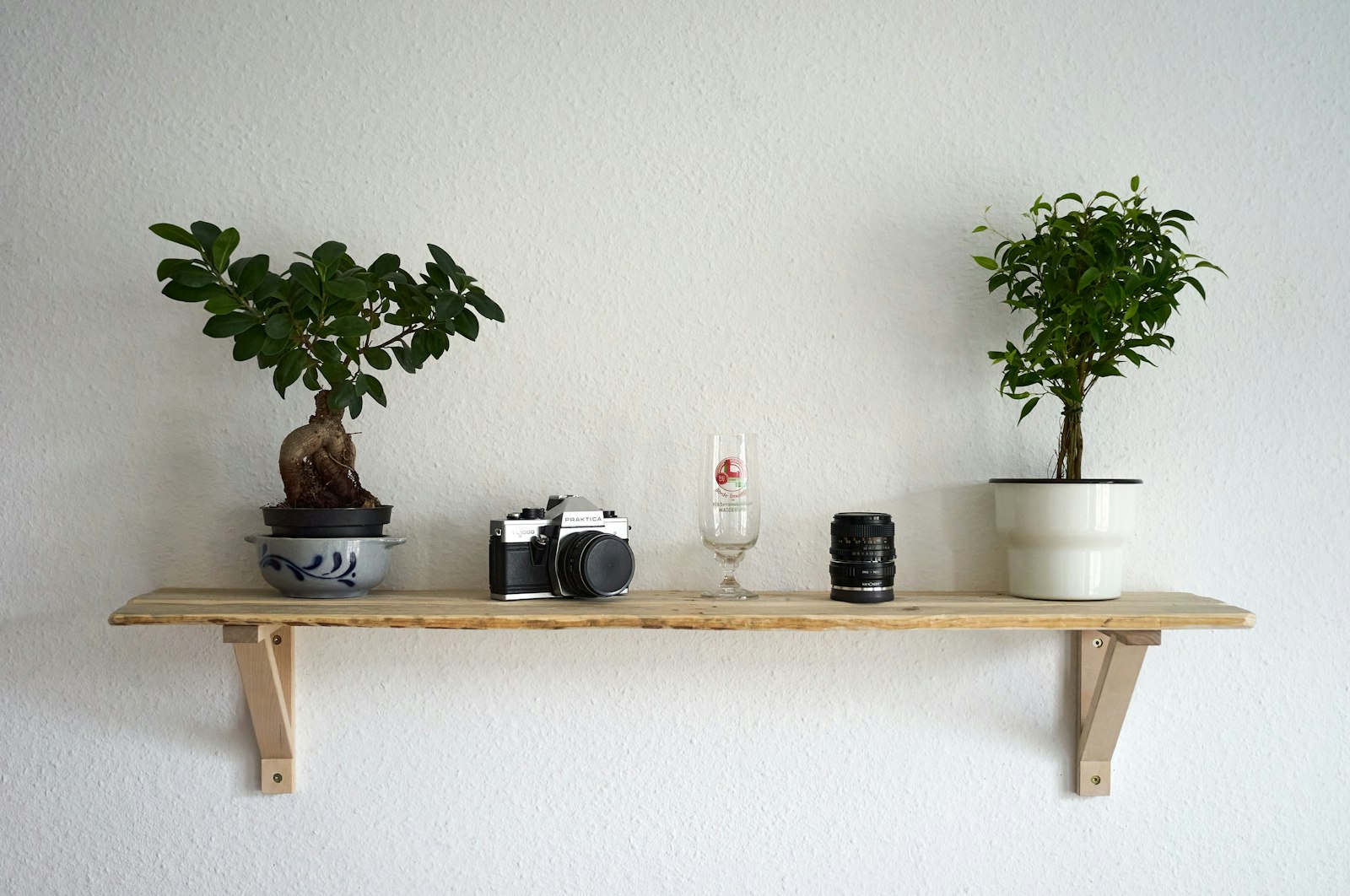
A graduate student on r/AskPhotography posted a TLDR that stops you cold: every lens for their Sony A7RIV had developed fungus, on both the outer and inner elements, after a year in an old apartment with poor insulation and a month-long trip to Hawai'i in a humid unit with no air conditioning. No dry cabinet, no silica packets, just those melting-orb moisture trappers scattered around the apartment. "I'm a broke grad student, so the thought of losing over $3K worth of lenses from this is devastating," they wrote, "but I figure I'd rather lose the lenses than the camera body."
That post sits right next to a very different kind of thread on the same subreddit: Is a dry cabinet solving a real problem, someone else asked, "or is it just another expense to take advantage of people with gear acquisition syndrome?" Twenty-seven replies later, the thread never fully resolves, because the honest answer depends entirely on where you live and how you already store your gear, not on which camp shouts louder.
What Humidity Actually Does to Your Gear
Lens fungus isn't a myth or a marketing hook for cabinet manufacturers. It's a real fungal infestation, typically from mold spores already present in the air, that feeds on organic residue inside a lens (fingerprint oils, lubricant traces) once conditions get warm and damp enough. Left alone, it doesn't just cloud the glass, it can etch lens coatings permanently, which is why "just clean it off" stops being an option once it's established. The commonly cited danger zone is relative humidity above roughly 60%, sustained, in a warm room, which is exactly the combination a lot of humid climates deliver for months at a stretch without anyone thinking about it.
Here's the part that a lot of dry-cabinet advice skips: humidity risk doesn't map cleanly onto "coastal" or "not coastal." In the Where do you store your Lenses? thread (168 comments, easily the most active discussion on the topic), one Bay Area commenter put it plainly:
"California, SF Bay Area, though so I also don't have humidity issues. I also use almost all my lenses regularly, or at least somewhat regularly, and regular UV exposure during use will kill any internal fungus spores, so it's never been a concern of mine." — thoang77
Compare that to a commenter living directly on the coast elsewhere, in a beach condo, describing a completely different daily reality in the gear acquisition syndrome thread:
"i live in a beach community... my condo is next to the ocean. Humidity is typically around 48%. If it falls to 40%, i humidify the air in here. I have a generic wall cabinet for my gear. I have no problems with mold or condensation." — aarrtee
Both are coastal. Both are managing gear near the ocean. Neither is in real danger, because both are sitting comfortably under that ~55-60% sustained-humidity line. The photographers actually getting burned in these threads are overwhelmingly the ones in tropical or subtropical climates running 80-99% RH for months (Hong Kong, tropical Australia, Southeast Asia, Gulf Coast cities), or the ones who moved gear into a specific humid pocket temporarily, like the original poster's month in an un-air-conditioned Hawai'i apartment, and didn't adjust their storage for it. "Coastal" is a loose proxy for humidity risk at best. A $10-15 hygrometer sitting in your gear bag for a week tells you your actual number, instead of you guessing based on your zip code.
The Believers vs. the Skeptics
The skeptic case isn't nothing. In the same 168-comment thread, one commenter who works in the photo industry pushed back hard on the whole premise:
"I work in the photo industry and haven't met a single professional photographer who has a temperature controlled cabinet for their lenses." — Jive_Turkey__
Another photographer in Japan, a country with genuinely high year-round humidity, backed that up with fifteen years of evidence:
"Does lenses really take damage from just moisture in the air? I live in Japan where it's extremely humid, I just have my cameras and lenses standing in my bookshelf without any protection, some for 15 or so years, and everything is working without problem." — RefRide
But the believer camp isn't speculating either. One Australian photographer described losing real gear before switching:
"Yep me too I lost my Sony R1 and a Nikkor Ai 35mm f1.4 to fungus. Now I have a dehumidifier cabinet and no problem at all." — Leicaleica1959
That same commenter, in the other thread, put a number on the trade: roughly AU$30,000 in gear protected by a $400 cabinet, running for 15 years since the loss with zero repeat incidents. That math is hard to argue with once you've actually lost a lens, which is probably why the strongest "worth it" opinions in both threads come from people who tried going without first.
When It Actually Makes Sense
The pattern across both threads is consistent enough to actually be useful, not just "it depends":
- Check your real number before spending anything. A cheap hygrometer is the entire decision. Under ~50% RH most of the year, per Reddit's own dry-climate commenters (Colorado, Alberta, the high desert), a cabinet is solving a problem you don't have.
- Sustained RH above ~55-60% is where real damage starts showing up. That's the number that separates "I've been fine for 15 years" from "I lost $3K in glass." It's a climate threshold, not a coastal-vs-inland one.
- A full electric dry cabinet isn't the only fix. For a smaller kit, a sealed hard case or even a Ziploc bag with silica gel packets, refreshed regularly, does the same job for a fraction of the cost. Several commenters in both threads run exactly that setup with no issues.
- Don't forget your drives. Hard drives holding your actual photo archive face a related but distinct risk: condensation on internal components and corrosion on PCB contacts in sustained high humidity, plus the fact that mechanical drives already fail from ordinary wear. If a dry cabinet or dehumidified closet is worth it for your lenses, your backup drives belong in the same environment, not sitting on a damp shelf next to them.
- Regular use is itself a mitigation. More than one commenter pointed out that gear that's actually out shooting, getting UV exposure and airflow, tends to fare better than gear sealed in a bag and forgotten for months. A dry cabinet isn't a substitute for that if your kit already gets regular use.
The Insurance Angle Underneath All of This
Here's the part that connects back to why this matters beyond just protecting glass: fungus and corrosion from ambient humidity are gradual damage, not a discrete accident, and gradual damage is exactly the category most gear insurance, standalone or homeowners-rider alike, is built to exclude. We covered this same sudden-versus-gradual distinction in more depth in our look at Peak Design's Capture Clip failures: a policy that happily pays out for a lens that got dropped won't touch a lens that slowly grew fungus over eight months in a damp closet, because nothing "happened" on a specific day. There's no accident to point to, no claim to file, just a slow loss that was entirely preventable and now isn't covered by anything.
That's what makes a $70-400 dry cabinet, or even just a $15 hygrometer and a bag of silica gel, a genuinely different kind of purchase than most gear accessories. It's not insurance. It's the thing that keeps you from needing to find out your insurance wouldn't have covered this anyway.
See our comparison table for standalone providers and what their all-risk coverage actually includes, or our full methodology for how we evaluate them, if you're weighing that alongside how you store the gear itself.