His A1 II Went Into a River and the Gear Was Insured. The Thread Told Him to Sell It for Parts.
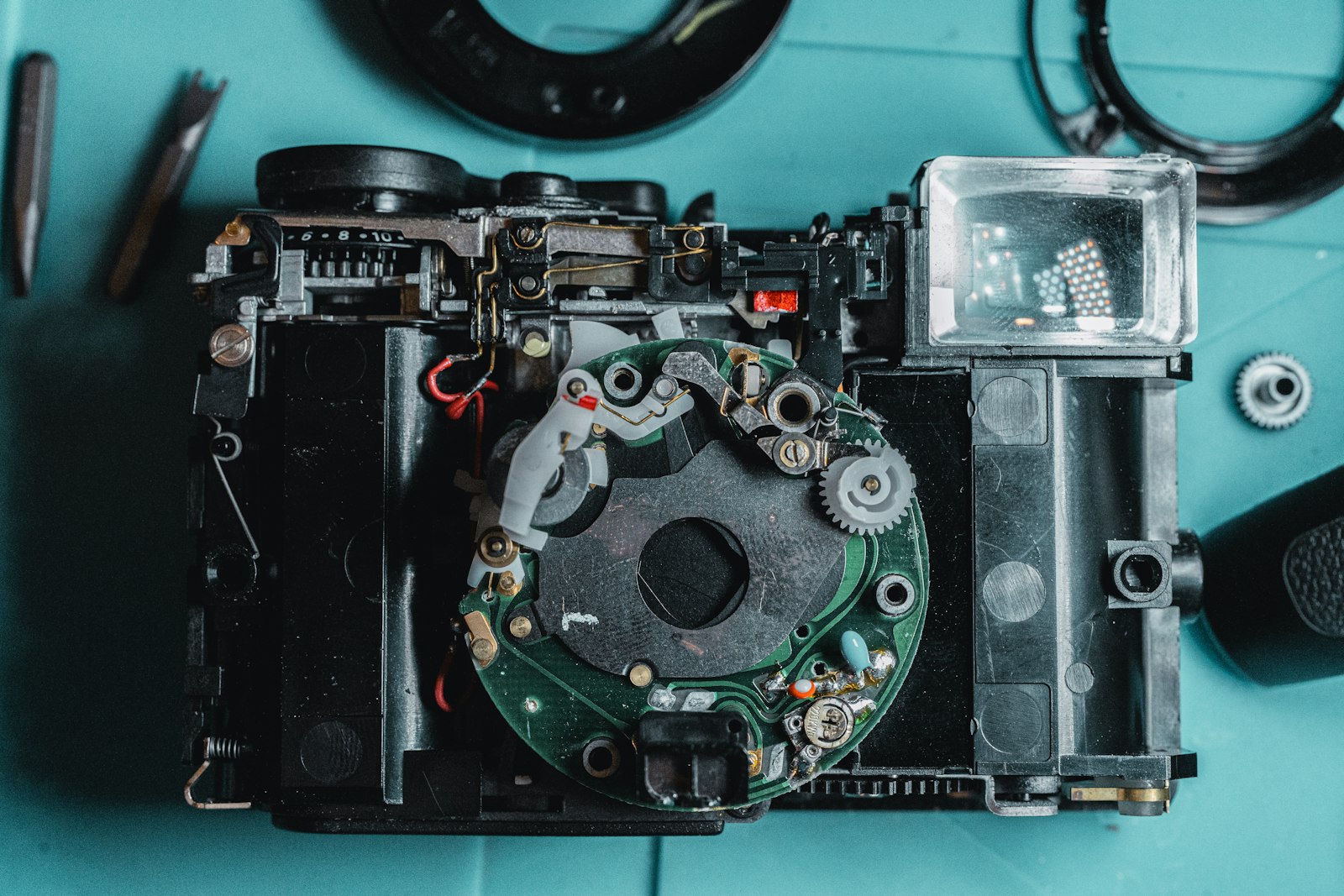
A Sony shooter posted to r/SonyAlpha in August that his a1 II and FE 100-400mm GM had gone into a muddy river. The camera was switched on when it went in, and a long time passed before anything got dried out. He sent both to Precision Camera, who came back and told him the repair would cost more than the gear was worth. His question to the sub was whether to try KEH for a second opinion, or give up and sell the pieces to someone who wants parts.
Then a commenter told him to insure his gear, and he answered:
"Yep, it's insured. It still sucks."
Another reply, further down, offered the practical suggestion:
"Keep the old body as a trophy or sell as non-functional as-is. Maybe someone has working internals"
Those two pieces of advice do not belong in the same thread. If the gear is insured and the claim has not settled, selling the wreck is one of the few things that can turn a payable claim into an unpayable one.
The short version:
- Standard homeowners policy language makes coverage conditional on your conduct after a loss. The ISO form used across the industry says the insurer has "no duty to provide coverage" if your failure to meet those duties is "prejudicial to us."
- One of those duties is to protect the property. Selling or scrapping the damaged item removes the insurer's ability to inspect the thing it is being asked to pay for.
- The repair shop's written assessment is the most valuable object in this story, worth far more to the claim than the parts value of the body.
- You also cannot simply hand the wreck over. Abandonment clauses stop you dumping salvageable property on the insurer and calling it a total loss.
- After the insurer pays a total loss it may take the remains. It is entitled to the salvage, though not obliged to take it, which is why the question to ask is "do you want it back" rather than "may I sell it."
Can You Sell Damaged Gear Before the Claim Settles?
Not safely, and the reason is a policy condition rather than anything specific to cameras. Every property policy sets out duties you owe the insurer after a loss, and performance of those duties is what keeps the coverage live. This is the part of the contract most people have never read, because it sits under "Conditions" rather than under "What Is Covered."
The standard industry wording, from the ISO homeowners form HO 00 05 05 11, is quoted in full by the trade journal Rough Notes in a piece by agent Marc McNulty aimed at reminding brokers to actually discuss these conditions with clients. The opening sentence of the section is the one that matters:
"In case of a loss to covered property, we have no duty to provide coverage under this policy if the failure to comply with the following duties is prejudicial to us."
The first listed duty is short:
"Protect the property from further damage."
Read those two together and the problem with selling the wreck becomes obvious. The duty is not merely to avoid making the damage worse. It is to keep the insurer whole in its ability to assess what happened. A body sold to a stranger for parts cannot be inspected, cannot be verified as the serial number on the schedule, and cannot be examined to confirm the loss was the accident you described rather than something excluded.
What "Prejudicial to Us" Actually Means
It means the insurer has to show your conduct actually harmed its position, not just that you broke a rule. That standard is more forgiving than it first sounds, and it is also exactly why disposing of the property is the version of this that gets claims denied.
Most breaches of the duties clause are recoverable. Filing a few days late, forgetting to keep receipts for a tarp, giving a statement out of order: an insurer that suffered no real harm generally cannot lean on any of it. Courts across states have tended to require actual prejudice rather than treating the conditions as automatic forfeitures, which is why the ISO wording now contains the phrase at all.
Destroying or disposing of the damaged property is different in kind. It is the one breach where the harm is immediate, obvious and impossible to cure. The insurer cannot un-sell your camera. There is no later inspection that fixes it. If you are looking for the single act most likely to satisfy a prejudice test, parting out the item you are claiming on is close to the top of the list.
That is the risk the r/SonyAlpha advice walks the original poster into. The advice is not malicious, and on an uninsured body it would be sensible. On an insured one it is the difference between a settlement and an argument.
The Repair Shop's Letter Is Worth More Than the Parts
Precision Camera already gave him the most useful thing in this entire situation, and it is not a repair. It is a written professional assessment that the gear is not economically repairable.
That document does specific work in a claim:
- It establishes the loss is total rather than partial, which decides whether the settlement is a repair cost or a replacement value.
- It comes from a third party with no interest in the outcome, which is worth more to an adjuster than the owner's own account.
- It removes the argument the insurer would otherwise make, namely that the item should be repaired at a lower cost than replacing it.
The original poster went out of his way to note that Precision handled it well, calling them responsive, prompt and courteous. That matters more than politeness. A shop that documents its evaluation clearly is producing claim evidence, and it is worth asking for that evaluation in writing with the serial numbers on it, whether or not you go ahead with any repair.
For what a camera insurer actually asks for at claim time, Full Frame Insurance publishes its list plainly: equipment serial numbers, receipts, a police report in the case of theft, and the date, time and location of the incident. Notice that all of those describe the item. Selling it makes the first one unverifiable. We walked through the wider sequence in our step-by-step guide to the claims process.
You Also Cannot Just Hand Them the Wreck
The condition runs in both directions, which surprises people who assume the insurer would be glad to take it.
Property policies carry abandonment clauses precisely to stop a policyholder leaving salvageable property with the insurer and declaring a total loss. The insurer decides whether the loss is total, not you, and it decides whether it wants the remains. Carriers are generally reluctant to take possession of damaged property at all, because ownership brings storage, disposal and sometimes liability with it.
So the wreck stays yours until somebody says otherwise. What you owe is preservation and access, not delivery. Keep it, keep it dry, keep it in one place, and let the adjuster tell you what they want done with it.
What Happens to the Wreck After They Pay
If the insurer pays out a full loss, it is entitled to take the salvage, though it is not required to. Which of those two happens is a decision the carrier makes, and on a water-killed camera body worth very little as parts, plenty of adjusters will simply tell you to keep it.
The order of operations is what protects you:
- The claim settles and you are paid.
- The insurer tells you whether it wants the property.
- If it does not, the wreck is yours to sell, part out, or keep on a shelf.
Get the answer to step two in writing, in the same email chain as the settlement if you can. "Do you want the body returned, or may I dispose of it" is a single sentence, and it converts a risk into a record. Where an insurer does want salvage it will sometimes sell it back to you, usually by deducting its salvage value from the settlement, which can be worth doing for a lens with intact glass or a body with a clean sensor.
None of this applies if you are uninsured. If there is no claim, the parts market is simply the last value the gear has, and the advice in that thread is correct.
What to Do, In Order
If gear is damaged badly enough that a shop is using the words "not worth repairing," do these in sequence.
- Open the claim before you decide anything about the item. The decision about repair or replacement is the insurer's to make, and making it yourself first removes their ability to agree with you.
- Keep the damaged gear, and keep it stable. Dry, boxed, not in a drawer with other equipment, not being experimented on. The duty is to protect it from further damage, and taking it apart yourself to see how bad it is counts against you.
- Get the shop's evaluation in writing, with serial numbers. Ask for it even when the answer is no. The refusal to repair is the finding you need.
- Photograph everything before it goes anywhere. Both the damage and the serials, in the same frame where possible.
- Ask explicitly about salvage at settlement. One sentence, in writing, before any part of it is sold.
- Only then decide about parts. By that point the question is genuinely yours to answer, and whatever the body fetches is yours to keep.
The photographer in that thread did almost everything right. He got a professional evaluation, he was insured, and he asked before acting. The one thing standing between him and a clean settlement was a helpful reply suggesting he sell the evidence. If your gear is on a policy, the wreck is not scrap yet. It is the claim.
Compare what different providers actually cover in our provider comparison table, and see how we evaluate them in our methodology.
Related on GetCameraGuard
Your Camera Was Stolen or Broken: Here's the Claims Process, Step by Step
What to do in the first hour, what to document before it ever happens, and how the actual claims process works at real gear insurers — sourced from their own claims pages, not generic advice.
Read →
Does Homeowners or Renters Insurance Cover Water Damage to Your Camera? Usually Not
A wave knocked a camera into the ocean and the claim got denied over "surface water," not electronics failure. That denial matches standard, industry-wide policy language almost word for word — here's the exclusion, quoted directly.
Read →
Your Insurer Reports the Claim When You Open It, Not When They Pay It. Denied Claims Count Too.
A camera claim on your homeowners policy goes into a database called CLUE and stays seven years. Regulators say it is filed when a claim starts, denies or pays. Here is how to read yours.
Read →
What Photographers Actually Paid When Gear Broke on the Job (and What Insurance Covered)
A 48-comment Reddit thread of real damaged-gear stories, from a $600 repair quote to a $35,000 total loss. Here's what got covered, what got denied, and what photographers paid out of pocket.
Read →