Finally, Camera Insurance
for Hobbyist
Photographers.
We research the market so you don't have to. Compare policies that cover international travel, theft, and breakage — no business license required. Then go straight to the insurer.
Is camera insurance worth it?
For most hobbyist photographers with more than about $3,000 of gear, yes. Standalone camera insurance runs roughly $80 to $280 a year for the specialist providers compared below, and covers the two things homeowners and renters policies usually will not: accidental damage, and theft away from your home. A home policy typically caps all electronics at $1,500 to $2,500 combined, excludes drops and water damage outright, and filing on it can raise your premium or trigger a non-renewal. Below roughly $2,000 of gear, a deductible and a scheduled-items rider on your existing policy is often the cheaper answer.
Find the Right Plan for You
Filter by your situation. Links go directly to the insurer — we don't sell policies. California residents: watch for the 🌴 CA-Friendly badge.
| Provider | Best For | Deductible | International | Est. Premium | Tags | Action |
|---|---|---|---|---|---|---|
A Athos InsuranceTop Pick ★★★★4.8 · Our score | Enthusiast & pro-grade gear | $250 (intl: $1,000) | Yes | From $220/yr | 🌴 CA-FriendlyNo Business Required | Visit Provider |
F Front Row Insurance ★★★★4.7 · Our score | High-value collections | $350 (intl: $750) | Yes | $180–280/yr | 🌴 CA-FriendlyNo Business RequiredClaims Risk | Visit Provider |
W Worth Ave. Group ★★★★4.5 · Our score | Budget-conscious hobbyists | $50–200 | Yes | $80–150/yr | No Business RequiredLow Deductible | Visit Provider |
I InsureMyEquipment New | Hobbyists & production gear | $250 (intl: $500+) | Yes | Custom quote | No Business Required | Visit Provider |
S State Farm ★★★3.5 · Our score | Bundled home + gear | $500–1,000 | No | $50–120/yr | Limited Gear CoverageClaims Risk | Visit Provider |
T Travelers New | Existing Travelers homeowners/renters policyholders | $0 (capped at $10,000 per item) | No | Varies — priced per $100 of coverage | 🌴 CA-FriendlyRequires Existing Travelers PolicyNo DeductibleClaims Risk | Visit Provider |
Data sourced from public provider documentation and photography community reports. Premiums estimated for $5,000–$10,000 in gear value. Always verify current rates directly with providers. Table last updated September 2026 — see our comparison methodology.
Real Coverage Gaps, Real Photographers

"Are You Insured? Your Policy May Cover the Data Recovery." For Most Photographers, It Doesn't.
A DPReview editor lost a full day's shoot to a dead card. Eight days earlier a wedding photographer lost the couple's portraits the same way. Gear coverage insures the card, not the pictures, and the one program that names data recovery isn't insurance at all.
Read →
State Farm Told Him $50,000 of Gear Made Him "Commercial." He Isn't Selling a Single Photo.
The trigger that pushed this hobbyist off personal-lines coverage was the value of his kit, not how he uses it. Two different things get you sent to business insurance, and only one of them is about running a business.
Read →
SF Camerawork Gave Six Days' Notice After 52 Years. Three Weeks Later, It's Reopening.
A board announced the end of San Francisco's oldest photography nonprofit on August 10. One of its founders drafted a rescue plan within days, the entire board turned over, and the doors open again today.
Read →
He Priced It at $349 a Year for $75,000 of Coverage. That Plan Caps a Single Camera at $2,000.
A photographer blamed a depreciation schedule for a $2,150 payout quote on a nearly new Sony a1 II. Full Frame's published tiers cap one item at $2,000 on the plan he priced. Two different mechanisms, almost the same number, and no way to tell them apart from outside.
Read →Start Here: Essential Reading
Your Camera Was Stolen or Broken: Here's the Claims Process, Step by Step
What to do in the first hour, what to document before it ever happens, and how the actual claims process works at real gear insurers — sourced from their own claims pages, not generic advice.
Read →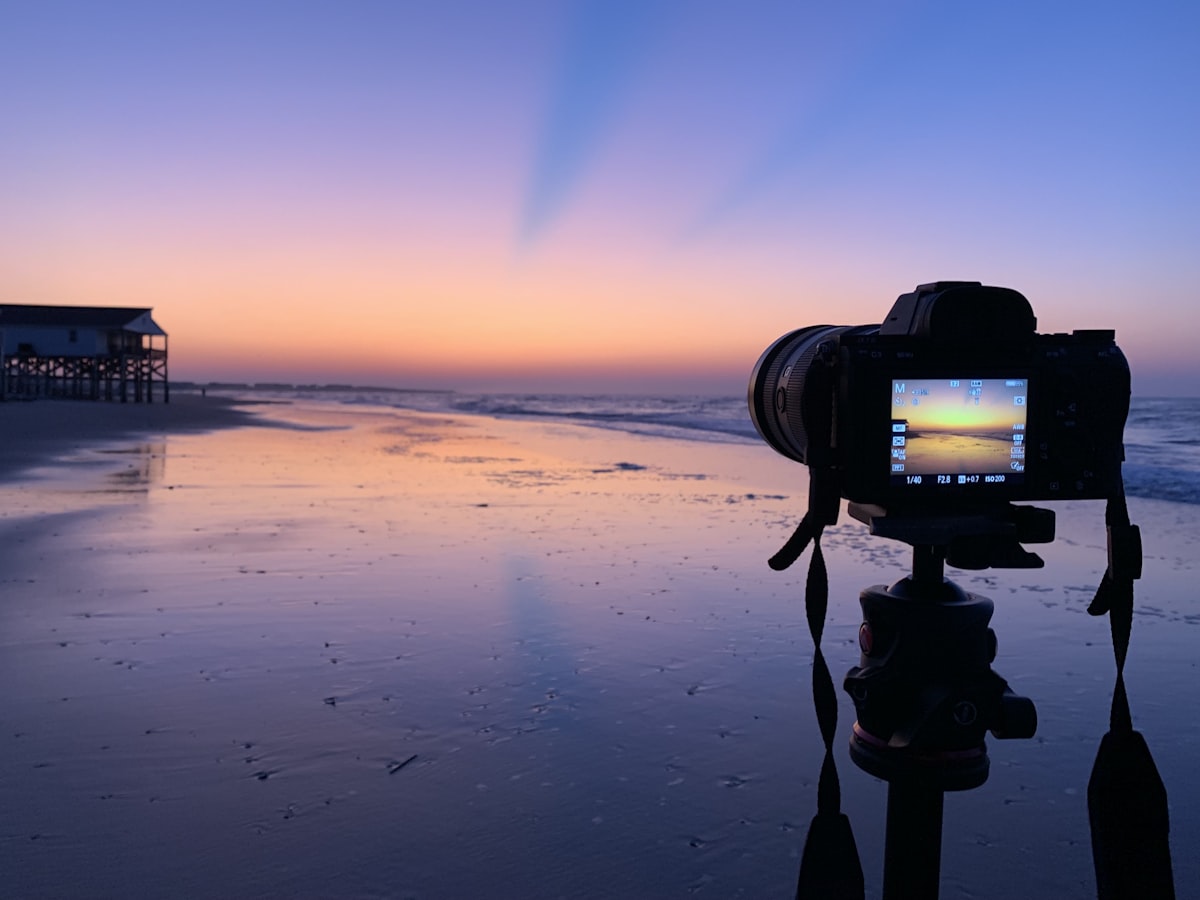
Does Homeowners or Renters Insurance Cover Water Damage to Your Camera? Usually Not
A wave knocked a camera into the ocean and the claim got denied over "surface water," not electronics failure. That denial matches standard, industry-wide policy language almost word for word — here's the exclusion, quoted directly.
Read →
You Don't Need an LLC to Insure Your Camera Gear (But It's Easy to Think You Do)
A hobbyist with $20k in gear — Canon R8, Leica M11, iPad Pro — hit a wall trying to insure it without a business name or address. Here's why that wall exists, and which providers don't require one.
Read →
Travelers' HQ-61B Endorsement Covers Cameras, But Only If You Already Have a Travelers Home Policy
"HQ-61B" is Travelers' Valuable Items Plus endorsement, and cameras are explicitly one of the covered classes. Here's what it actually covers, what it costs you in flexibility, and the one upside worth crediting.
Read →The Truth About Protecting Your Gear
Homeowners Rider vs. Specialized Standalone Insurance
You can often add a Personal Articles Floater to your homeowners insurance to cover your camera gear. It's a valid option — but it comes with hidden structural risks. Here's how to evaluate whether to schedule your gear or go standalone.
| Feature | Homeowners (Scheduled) | Specialized Gear Insurance |
|---|---|---|
| Claim Impact | Linked to your home policy. A claim can increase your overall home premium. | Isolated. A claim only affects your gear policy. |
| Coverage Scope | Usually "Named Perils" (Theft, Fire). Often excludes "mysterious disappearance." | "All-Risk" (Accidental damage, drops, spills, loss). |
| Deductible | Usually tied to your home deductible ($1,000+). | Low ($0–$500 typical). |
| Loss History | Reported to C.L.U.E. (Comprehensive Loss Underwriting Exchange). | Rarely shared with your home insurer. |
The "C.L.U.E." Risk
One claim can flag your home policy
Filing a claim on a homeowner's policy is logged in C.L.U.E. (Comprehensive Loss Underwriting Exchange). Even if the claim is for a camera, your home insurer sees it as a loss event — in a tightening market, especially in states like California, this can flag your primary home policy for a rate increase or non-renewal.
The "Named Peril" Trap
Common accidents often aren't covered
Many home policy riders only cover named perils like theft, fire, and vandalism. They often don't cover the most common hobbyist accidents: dropping your camera on a hike or "mysterious disappearance" (leaving it in a cab). Specialized policies are all-risk, covering almost anything unless specifically excluded.
The Deductible Barrier
High home deductibles block small claims
If you have a high deductible on your home policy, it may not be financially worth it to file a claim for a lens repair. A specialized gear policy often offers a $0–$250 deductible, making the insurance actually usable for smaller, frequent repairs.
The Hobbyist's Calculator
Answer four quick questions and we'll tell you whether scheduling your gear on your home policy or going standalone fits your situation best.
The CA Photographer's Guide to Gear Insurance
Major carriers are exiting California. Learn which specialty insurers still actively cover hobbyist photographers in LA, SF, and beyond — with zero surcharge for CA zip codes.
Read the California Guide →Joining PPA for the Insurance? Read the Fine Print First.
A paid Professional Photographers of America membership bundles in PhotoCare equipment coverage, which makes it an easy default for anyone who wants the membership anyway. It is also secondary coverage, capped at $15,000, and the policy form itself is not published before you pay the $323.
PPA Membership Includes Camera Insurance, But It's Secondary. Here's What That Actually Means.
PPA membership costs $323+/year and includes PhotoCare equipment insurance, but it's secondary. Here's what that means before you rely on it for a claim.
Read the analysis →PPA Says the Repair Deductible Is $50. One Member's Claim Came With Over $550 in Deductibles.
PPA publishes a $50 PhotoCare repair deductible. A member who filed reported over $550. You can't read the policy before paying $323 to check.
Read the analysis →- Worldwide coverage included
- No business license needed
- Accepts California residents
- $250 standard deductible
- Up to $100,000 coverage
- CA-friendly underwriting
- Breakage & accidental damage
- International travel included
- Low $50–200 deductible options
- No business requirement
- US coverage included
- Jewelry & gear bundles available
GetCameraGuard is a comparison and research tool — we are not an insurance provider, broker, or agent. All purchases happen directly on the insurer's website. These picks are not paid placements — we don't currently have any referral partnerships. If that changes, it'll be clearly disclosed; see our affiliate disclosure.
Frequently Asked Questions
California residents face unique challenges — several national carriers, including State Farm, have stopped writing new property policies in California, and some 'camera insurance' options (like Lemonade) turn out to only be available as an add-on to a renters or homeowners policy you may not have or want. We specifically flag CA-friendly, truly standalone providers in our comparison table. Athos Insurance and Front Row Insurance both actively write hobbyist policies for California residents, with no additional premium surcharge for CA zip codes.
No — and this is the most common misconception. Many photographers assume standalone gear insurance is only for working professionals. Providers like Athos, Front Row, Worth Ave. Group, and InsureMyEquipment specifically design plans for hobbyists and require zero business documentation. You simply list your equipment and its appraised or replacement value.
Partially — but with significant gaps that most photographers only discover after a loss. Most home policies cap all electronics at $1,500–$2,500 combined, exclude accidental damage and breakage entirely, may not cover gear used 'for business' even part-time, and require a full homeowner's claim that can raise your home premium or trigger non-renewal.
This is the coverage most photographers actually need and rarely have. It protects you if you drop your camera body, get a lens wet in rain, or damage a filter in a fall. Standard home policies only cover named perils like fire or theft — accidental damage is explicitly excluded. Standalone photo insurance includes breakage as a core benefit.
If you travel abroad even once a year, absolutely. Many standard policies end at the US border. International add-ons typically add $20–60 per year and cover gear on flights, at foreign destinations, and during international workshops. Athos and Front Row both include worldwide coverage in their base hobbyist plans — no add-on required.
Keep an up-to-date equipment inventory with serial numbers and purchase receipts or appraisals. Choose the highest deductible you can absorb — moving from $100 to $250 typically saves 15–20% on annual premium. Bundle all bodies and lenses under one policy rather than insuring each item separately. Get quotes from at least three providers using the same gear list for a fair comparison.
Yes, and this is where standalone policies differ most sharply from a home policy. Most specialist gear policies cover theft anywhere in the world, including from a vehicle, a hotel room, or a location shoot — the scenarios homeowners policies most often dispute or exclude. Read the vehicle clause specifically: several insurers require the gear to be in a locked boot rather than visible in the cabin, and a few exclude unattended-vehicle theft altogether. Theft claims also normally require a police report filed within a set window, so file one even when you expect the gear is gone for good.
PPA's PhotoCare equipment coverage is real, but it is secondary coverage — it pays out only after any other policy that applies has paid first, and it carries its own per-member limits well below the value of a serious kit. For a working professional carrying primary coverage anyway it is a useful top-up. As a hobbyist's only protection it tends to disappoint at claim time, because there is no primary policy underneath it for it to sit behind. Check the current limit against your actual gear list before relying on it.
Directly from the insurer, in most cases. The four specialist providers in the comparison table above — Athos, Front Row, Worth Ave. Group, and InsureMyEquipment — quote and bind online without a broker, and none of them require a business licence for a hobbyist policy. The two traditional carriers listed, State Farm and Travelers, work through agents instead and cover camera gear as an endorsement on a homeowners or renters policy, which is why the table shows a business requirement against them. You will need an equipment list with makes, models, serial numbers, and either purchase receipts or a recent valuation. Getting three quotes on the identical gear list is the only way to compare fairly, since coverage terms vary far more than the headline premium does.